



Programs
Spaceflight is usually remembered as a string of missions and machines. But nothing here happened on its own — every rocket, every landing, every station was the work of a program: a sustained campaign, backed by a nation or a company, reaching for something specific. The programs are where the ambition lived and the rivalries played out. Read together, they are the whole arc of getting off the ground — from the first firsts of the Space Race to the stations, telescopes, and futures being built right now.
Browse by era to follow the story in time, by kind to compare like with like, or by agency to see who did what.
The Space Race · 1957–1975
Roscosmos · 1957–1958

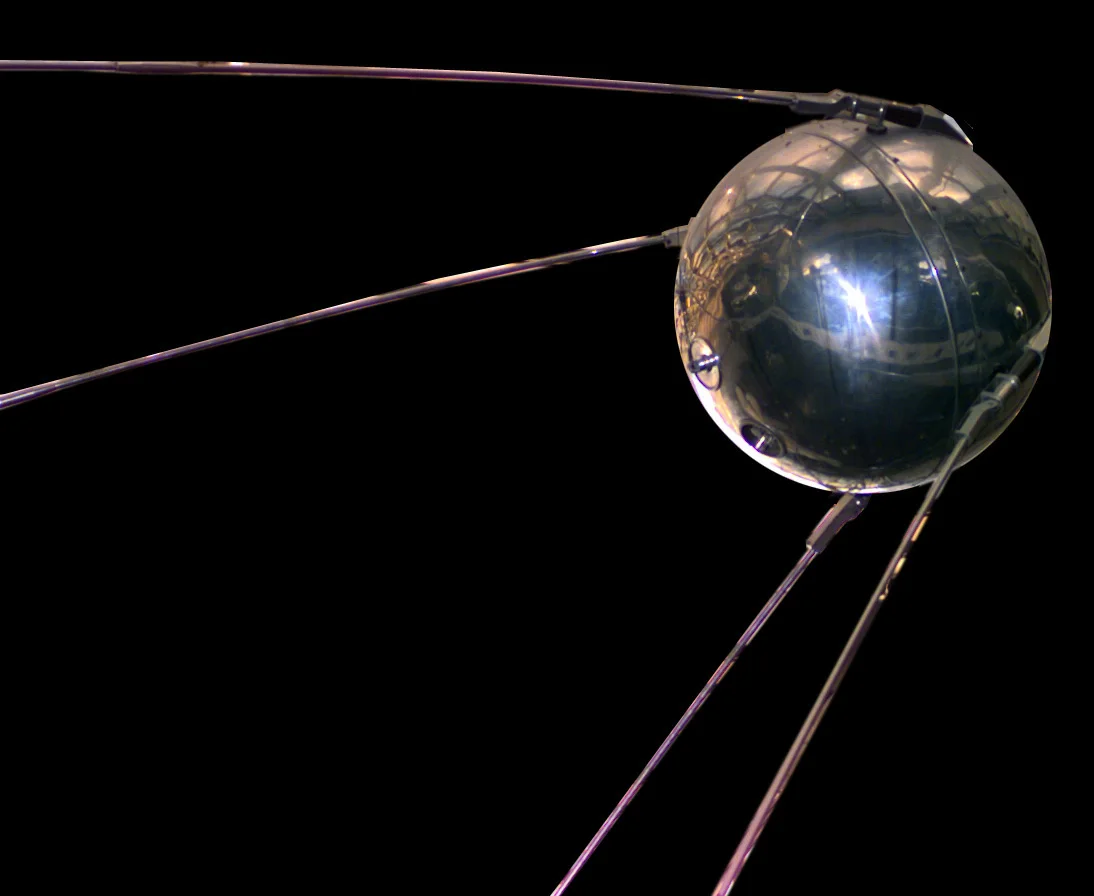
Sputnik
On 4 October 1957 a polished metal sphere the size of a beach ball began to beep from orbit — and the space age, and the space race, began in the same instant.
NASA · 1958–1963

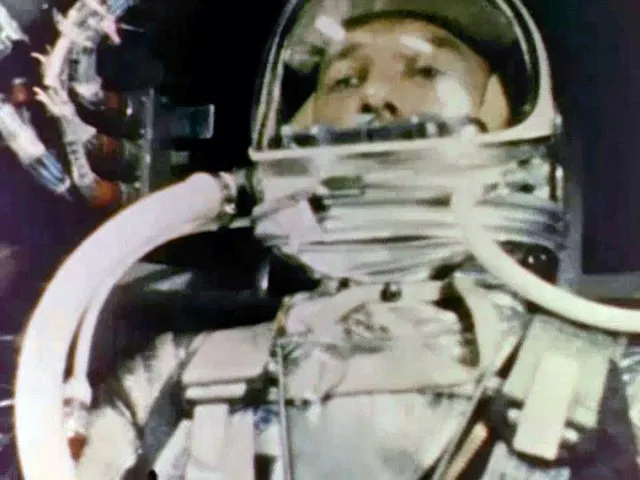
Mercury

America's scramble to put a person in space — always a step behind the Soviets, and the foundation for everything that came after.
NASA · 1961–1972
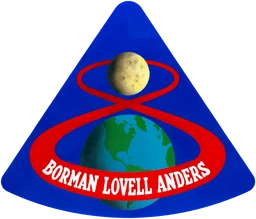
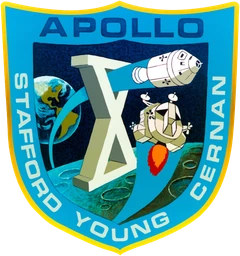
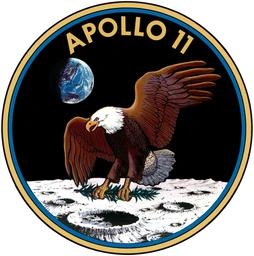
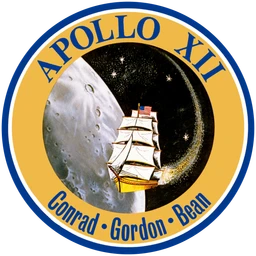
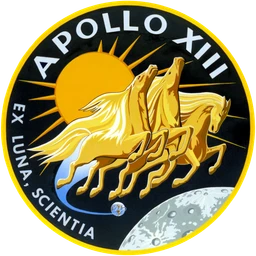
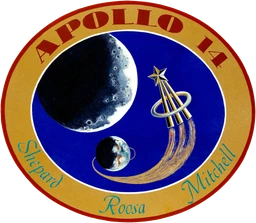
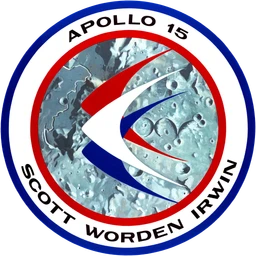
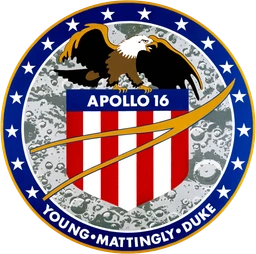
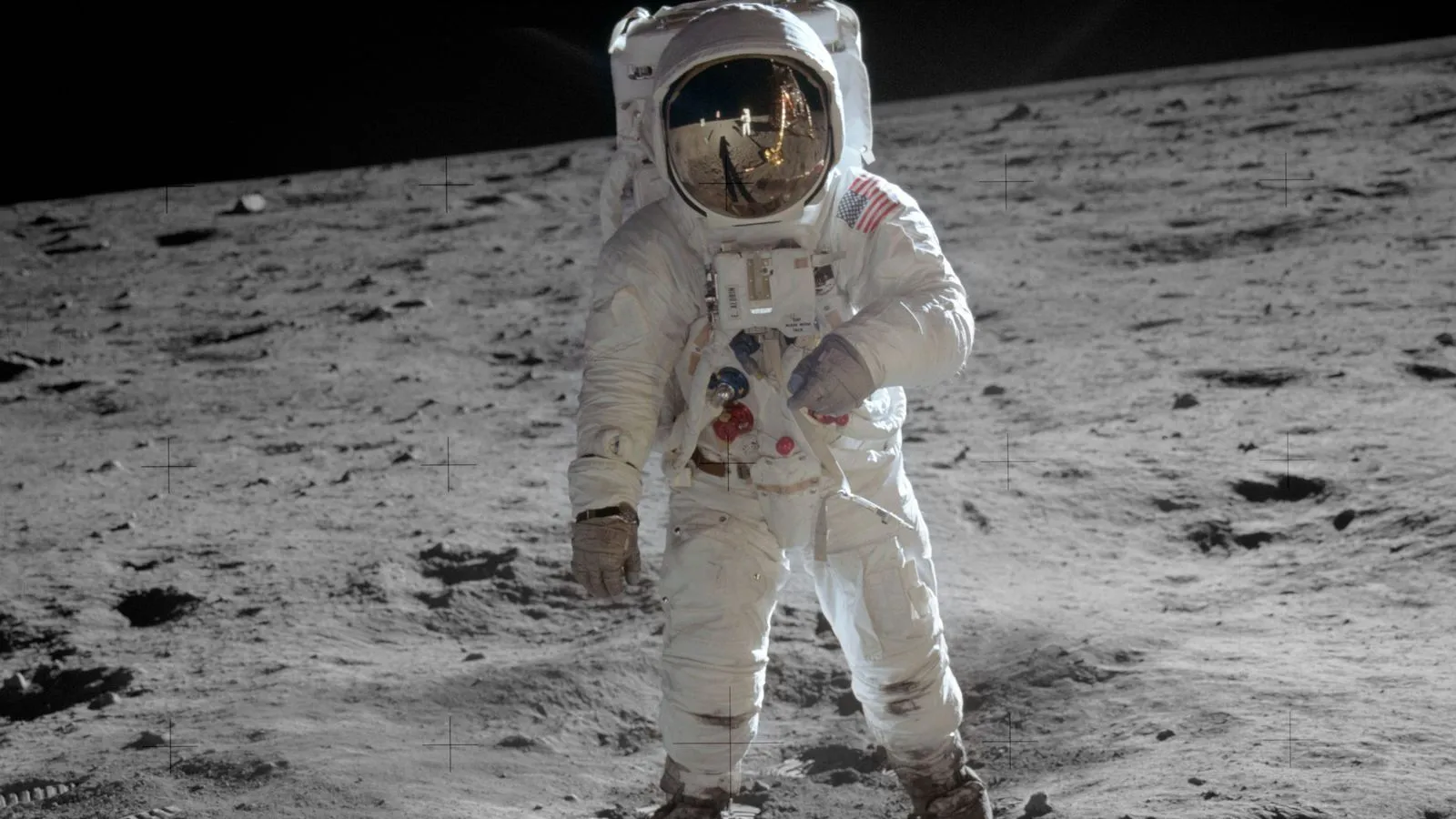
Apollo
The Cold-War sprint that put twelve people on the Moon — and then stopped.
NASA · 1961–1966
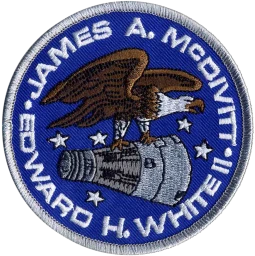
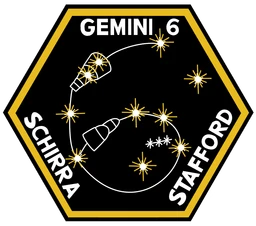
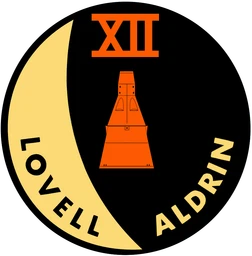
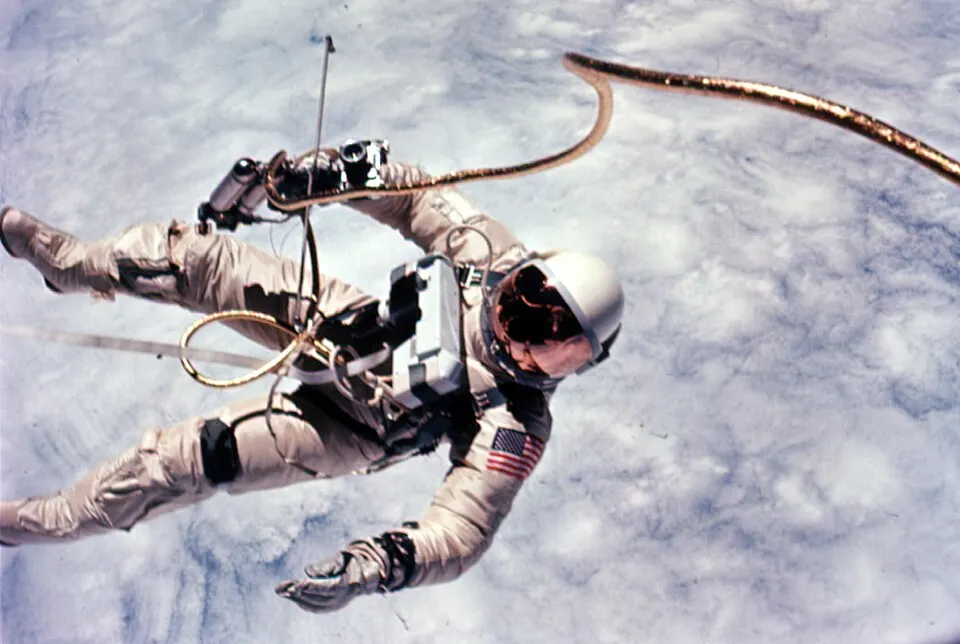
Gemini

The bridge program — the unglamorous middle where NASA learned everything Apollo would need except how to fly to the Moon.
Roscosmos · 1961–1963
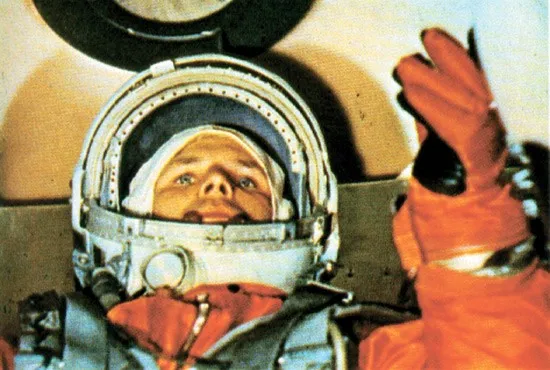
Vostok
The program that put the first human in orbit — and kept scoring firsts while America scrambled to catch up.
NASA · 1962–1975
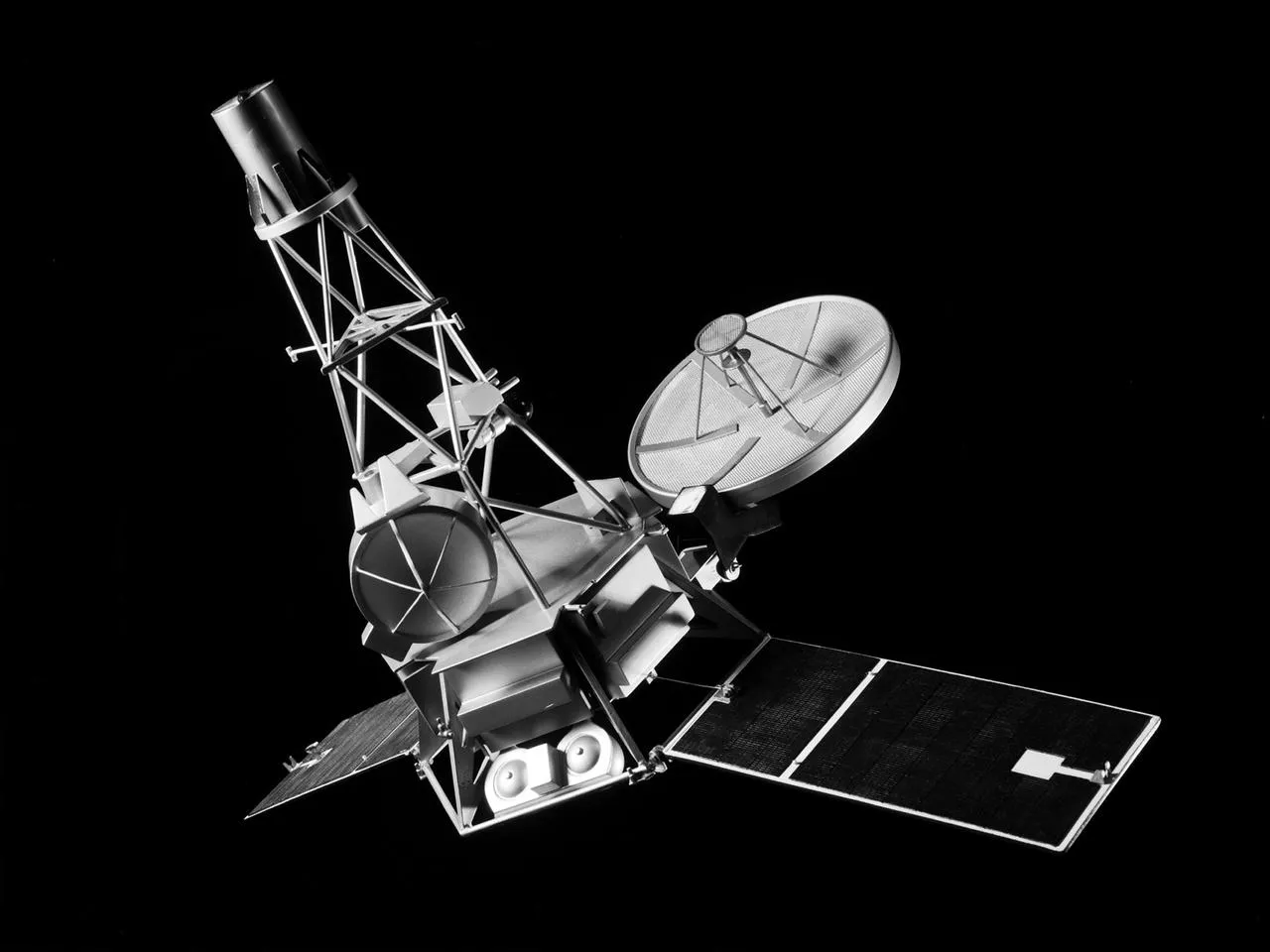
Mariner
Before any other planet was more than a smudge in a telescope, a run of small American probes went out to see them — and returned the first photographs ever taken of another world.
Roscosmos · 1964–1974
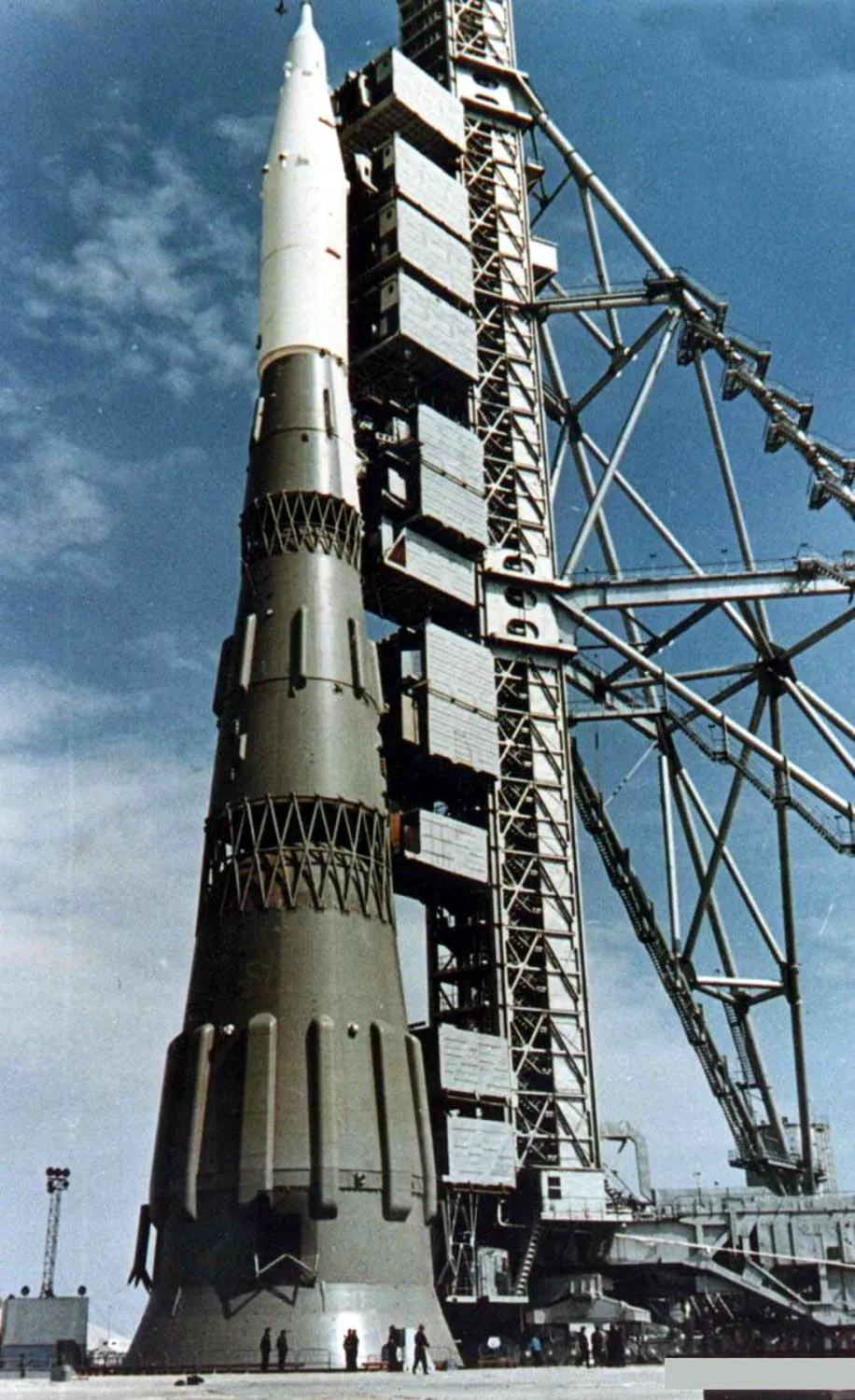
Soviet Lunar Programme
The one race the Soviet Union ran and lost — a secret, starved, divided bid for the Moon whose giant rocket exploded four times and was erased from the record for twenty years.
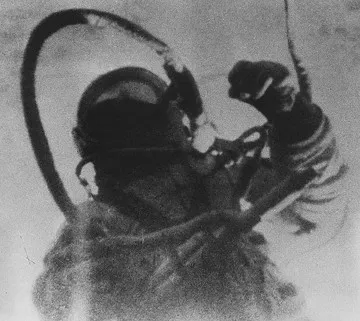
Roscosmos · 1964–1965
Voskhod
The rushed stopgap that squeezed two more firsts — a crew and a spacewalk — out of maxed-out hardware, and nearly killed people doing it.
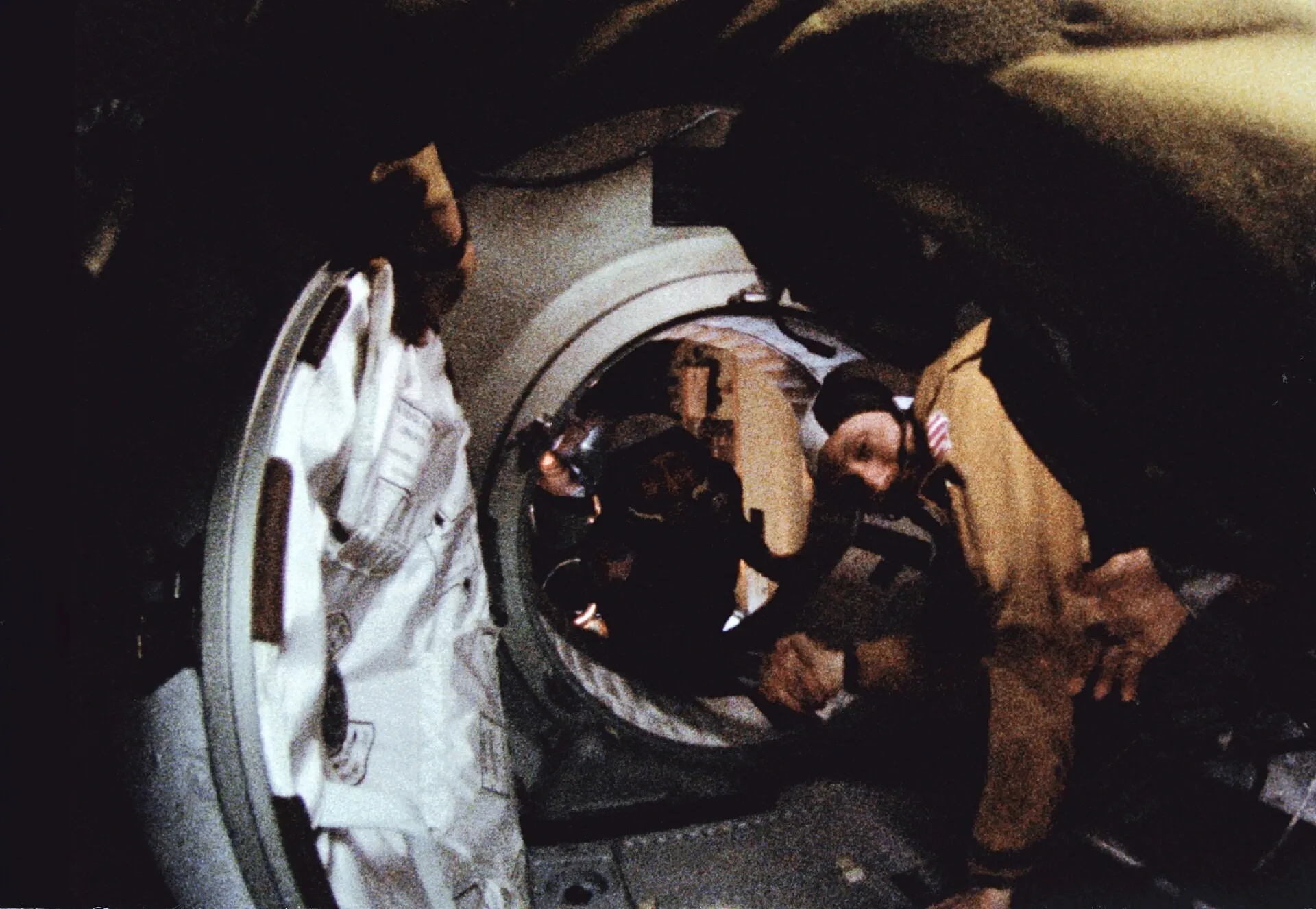
Roscosmos · 1967–now
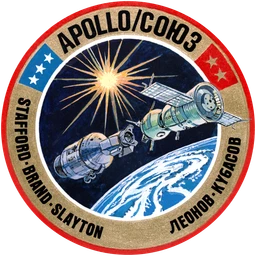
Soyuz
The spacecraft that began in tragedy, paid the highest price in spaceflight — and became the most reliable, longest-serving ride to orbit ever built.
Shuttle & Stations · 1971–2011
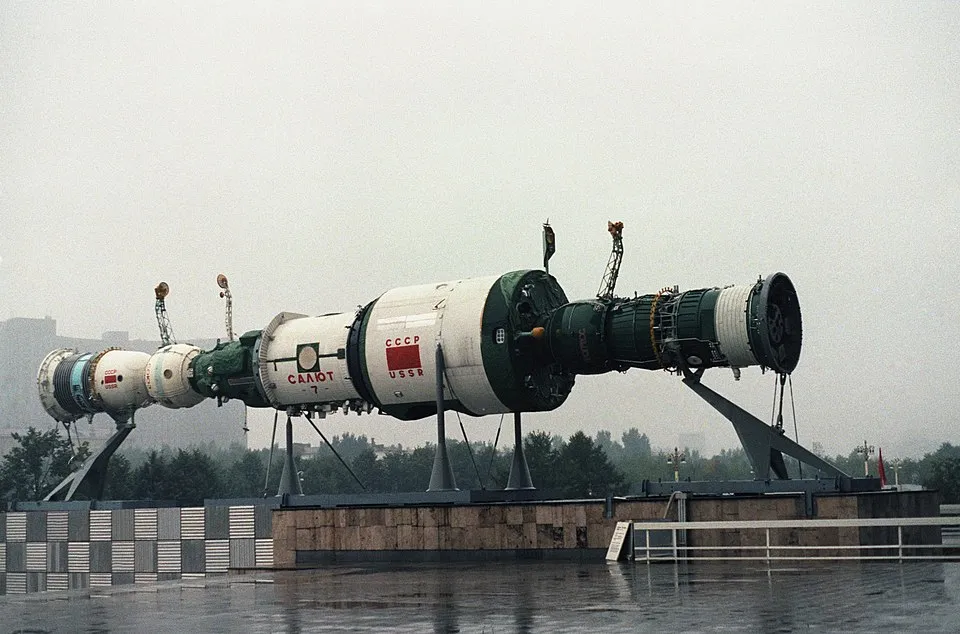
Roscosmos · 1971–1986
Salyut
The world's first space stations — two secret programmes hidden under one name, a hard and sometimes deadly decade of learning to live in orbit, and the direct ancestor of every station since.
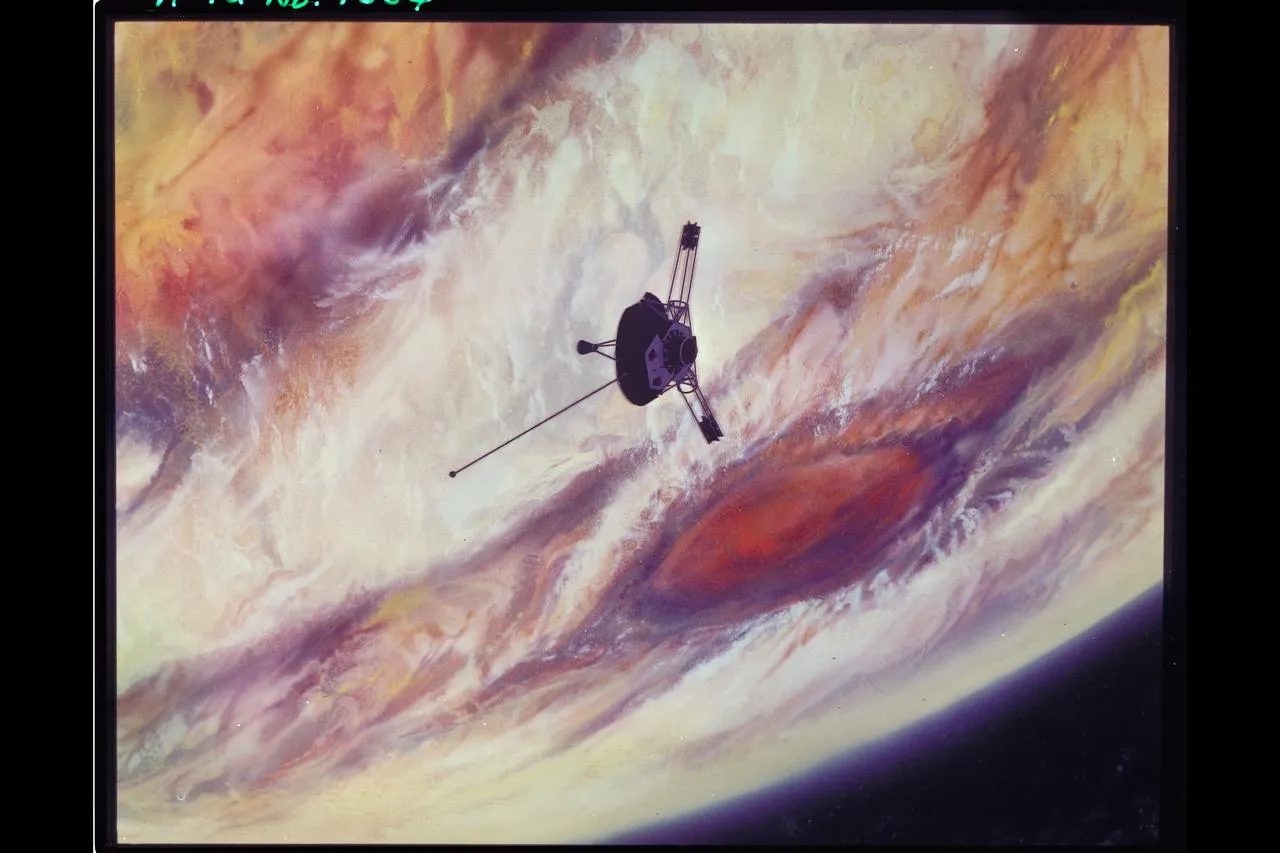
NASA · 1972–2003
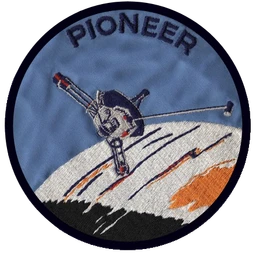
Pioneer
Before Voyager could tour the outer planets, someone had to prove the road was survivable. Two small probes went first — through the asteroid belt, past Jupiter, and out.
NASA · 1973–1974
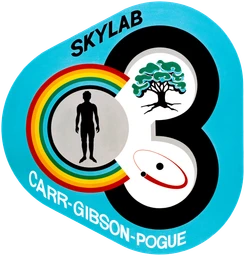
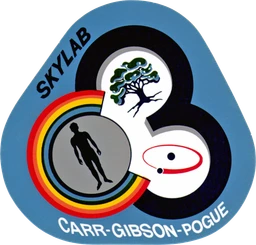
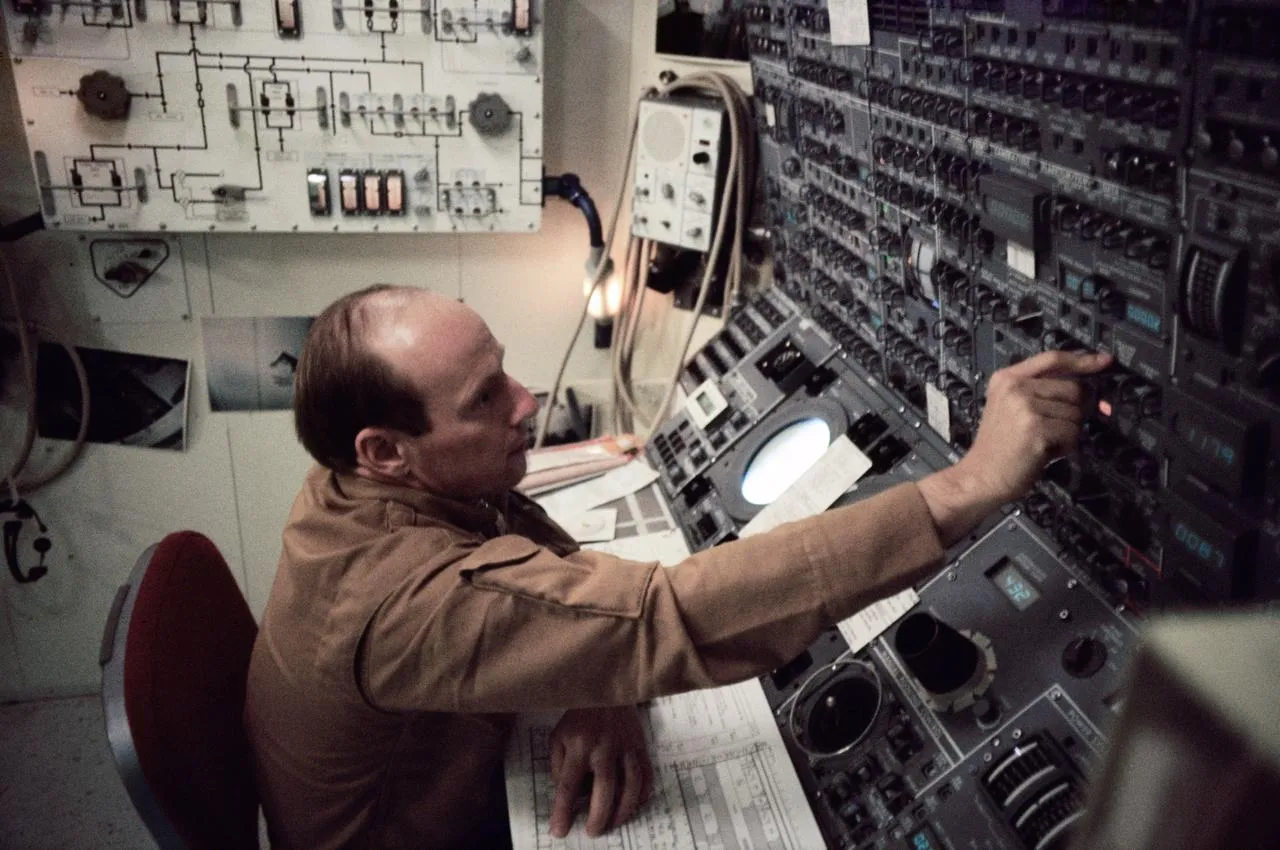
Skylab

America's first space station — improvised from Apollo hardware, nearly lost at launch, saved by the boldest repair job of the era, and then abandoned a little too soon.
NASA · 1975–1982
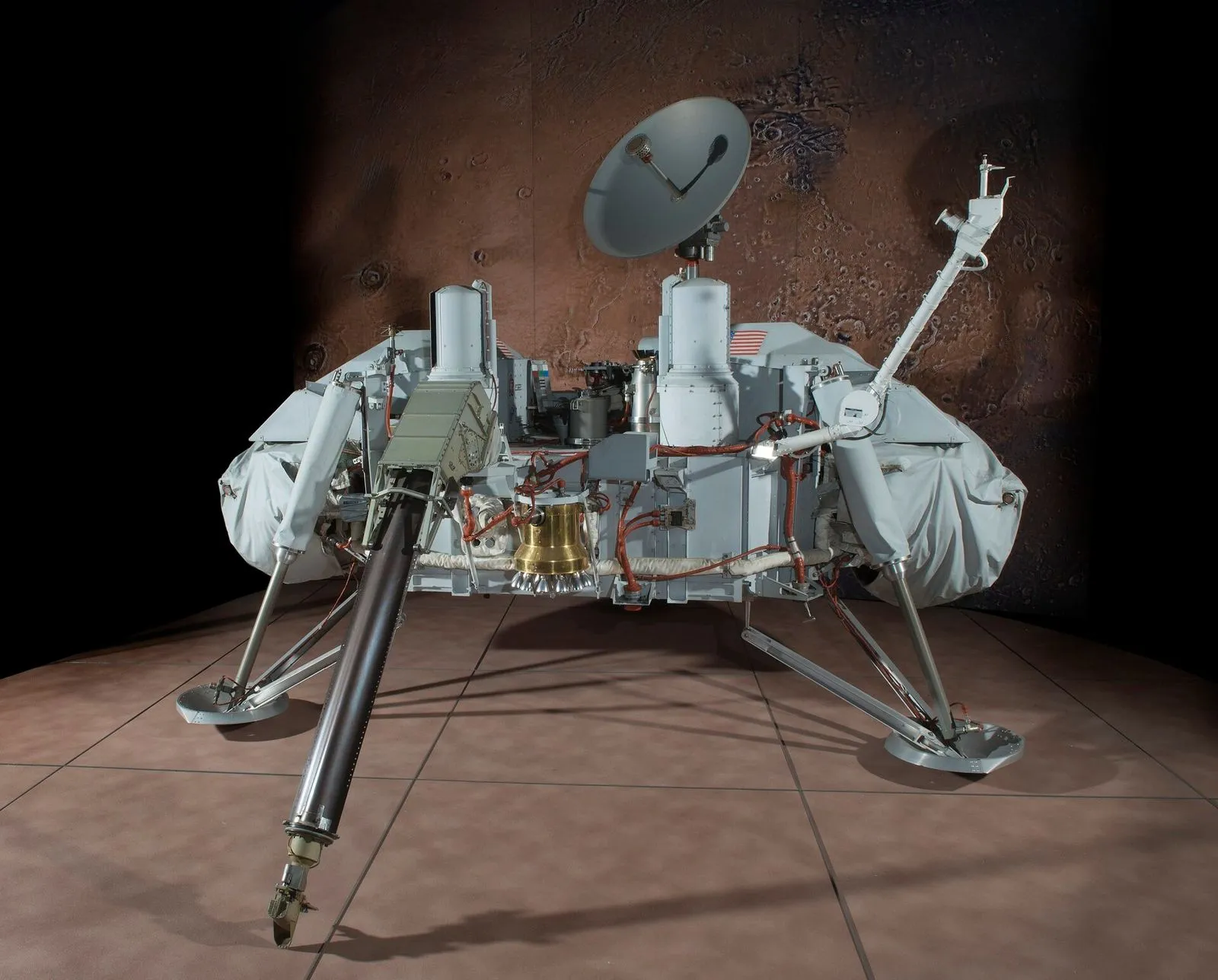
Viking
In 1976 two American landers set down on Mars, sent back the first photographs from its surface — and ran an experiment to answer the oldest question about the planet: is anything alive there?
Roscosmos · 1976–1993
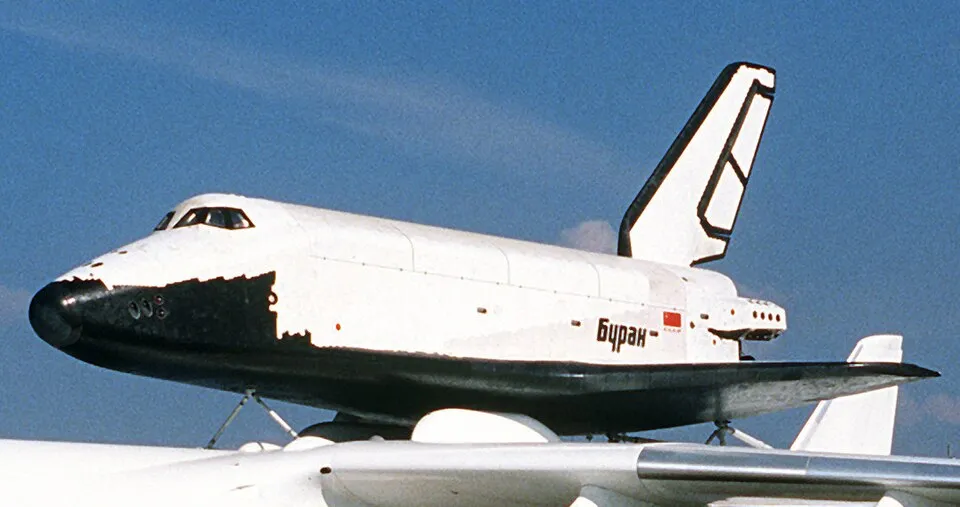
Buran
The Soviet space shuttle that looked like America's, flew better in one respect — and flew exactly once, uncrewed and flawless, before the country that built it disappeared out from under it.
NASA · 1977–now
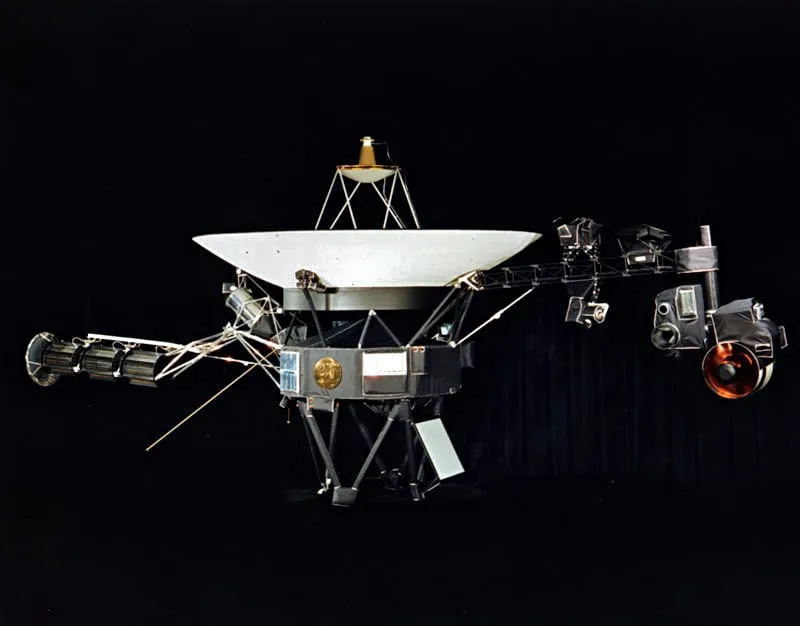
Voyager
Two probes launched in 1977 to tour the outer planets — and never came back. Half a century on, they are still flying, and still calling home from between the stars.
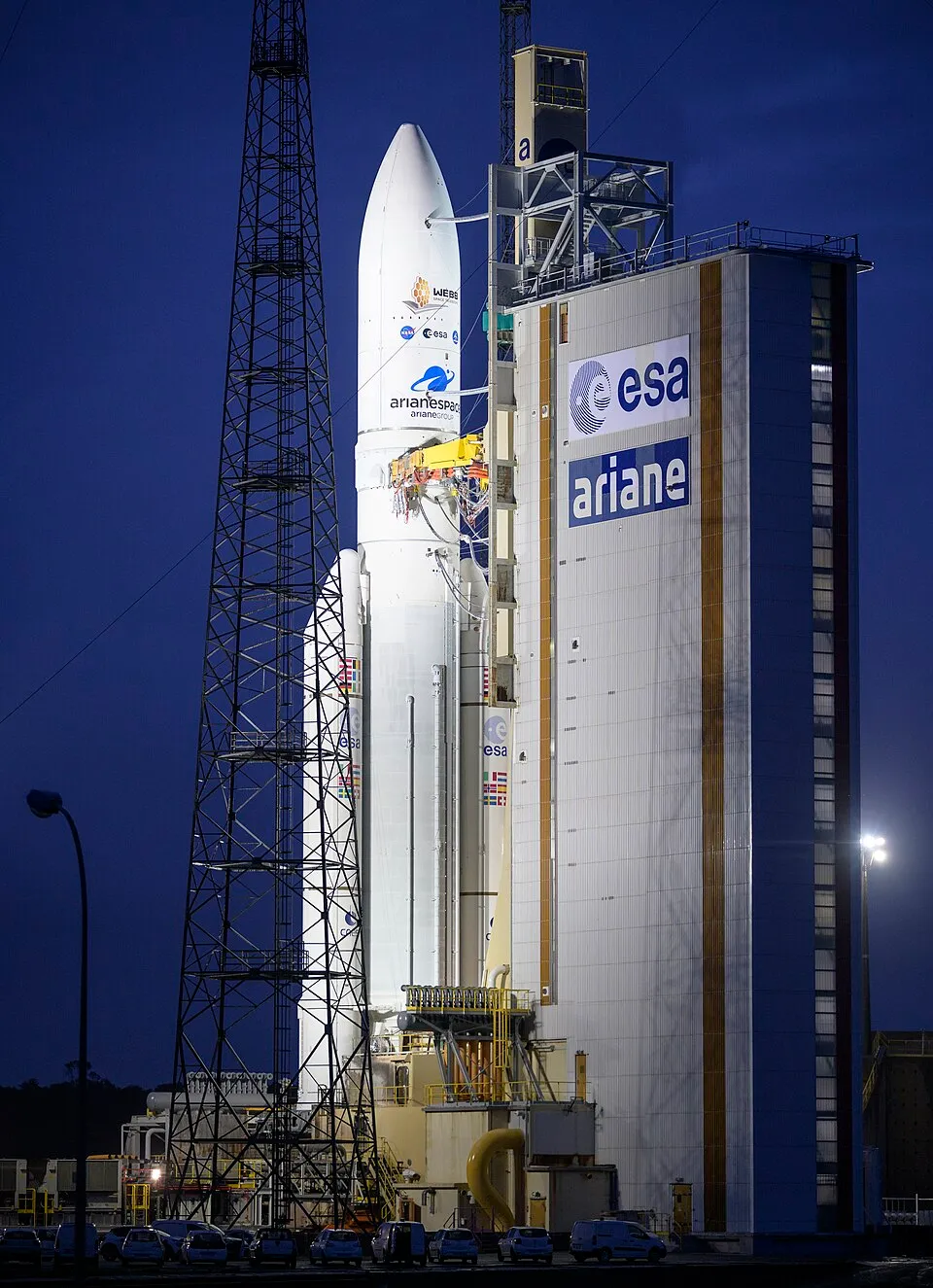
ESA · 1979–now

Ariane
Europe's guarantee of its own way to space — born from being told no, grown into the world's dominant commercial launcher, and still flying the continent's independence into orbit.
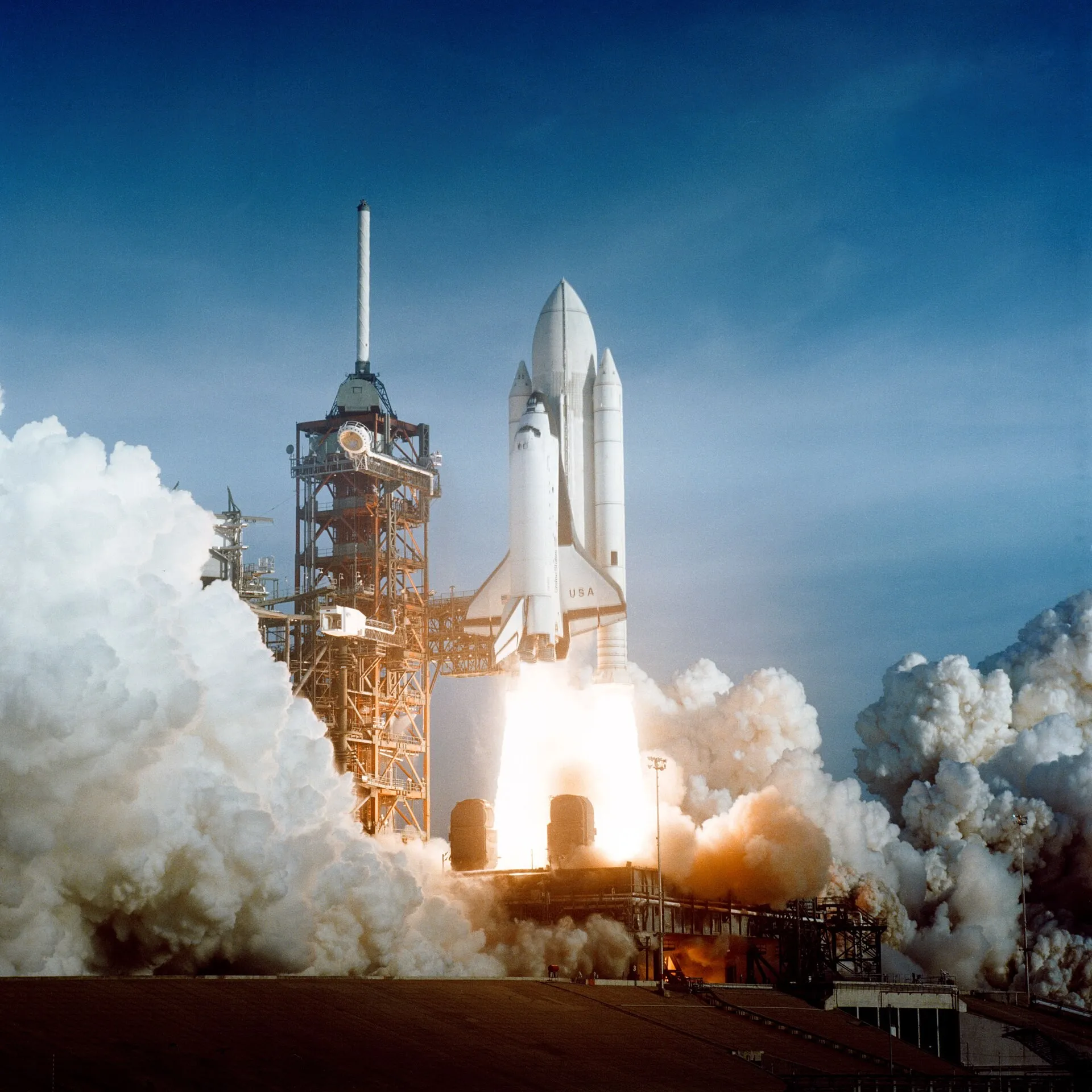
NASA · 1981–2011
Space Shuttle
The reusable spaceplane that promised routine, airline-like access to orbit — delivered thirty years of extraordinary capability, never delivered cheap or safe, and killed two crews learning the difference.
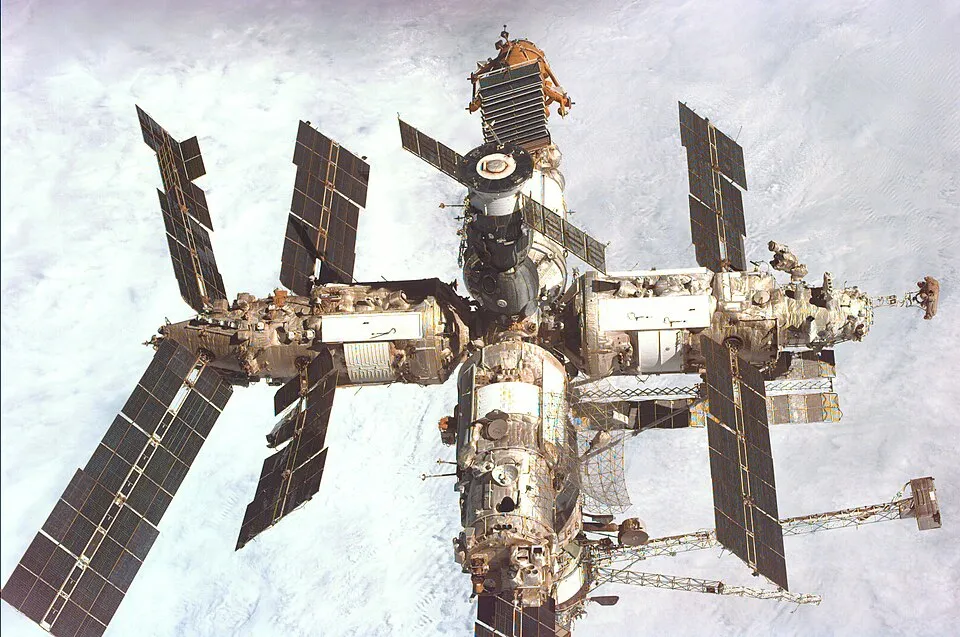
Roscosmos · 1986–2001
Mir
The first modular space station — built piece by piece in orbit, kept alive for fifteen years through the collapse of the country that built it, and the place where Cold-War rivals first learned to fly together.
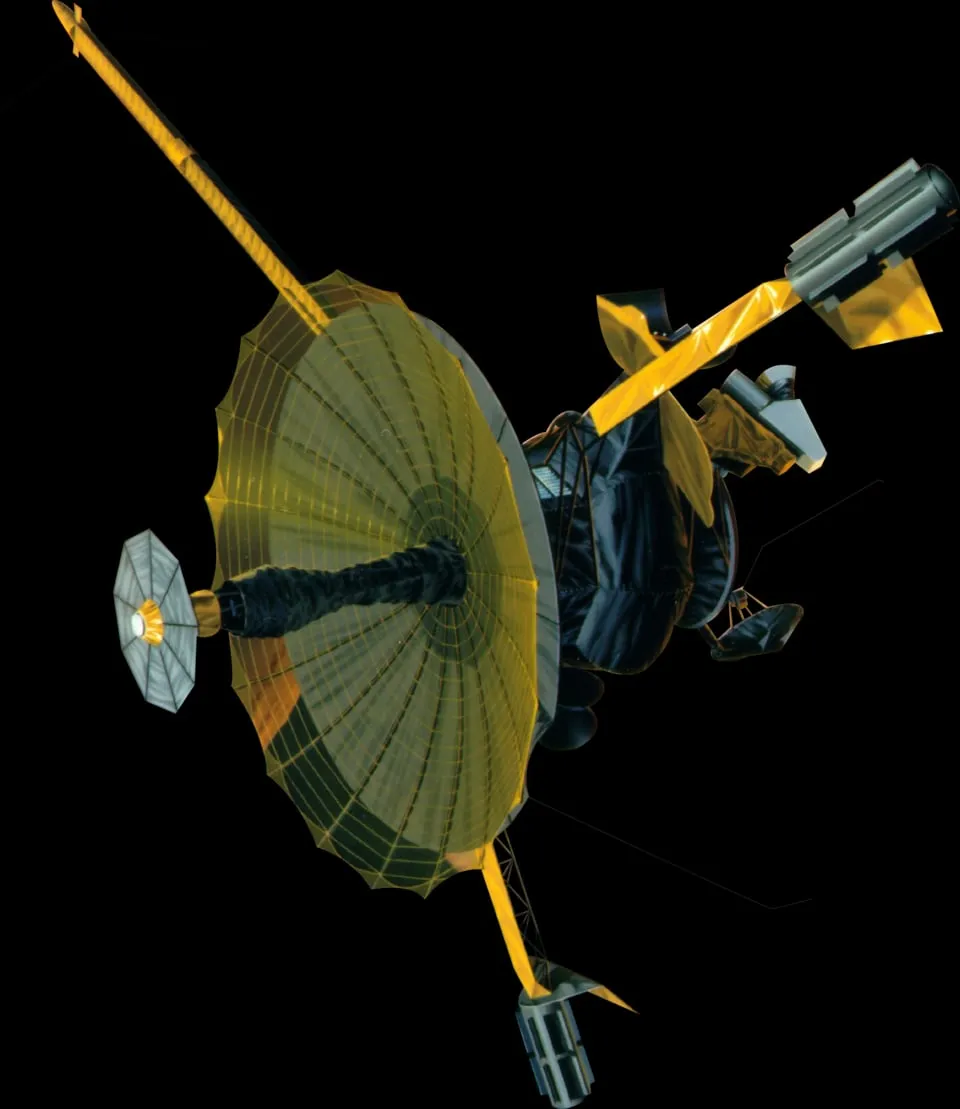
NASA · 1989–2003
Galileo
The first spacecraft to orbit Jupiter flew for eight years with a crippled antenna — and still returned the strongest evidence yet that a moon of Jupiter hides an ocean.
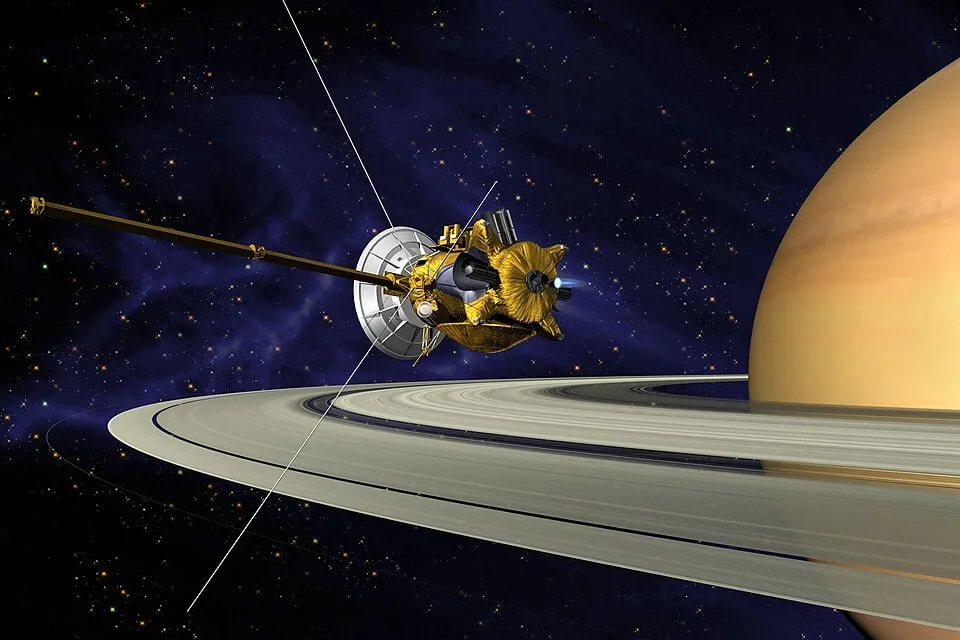
NASA · 1997–2017
Cassini
A bus-sized robot spent thirteen years orbiting Saturn — and found, on a moon nobody was watching, an ocean that could hold life.
The ISS era · 1998–2030
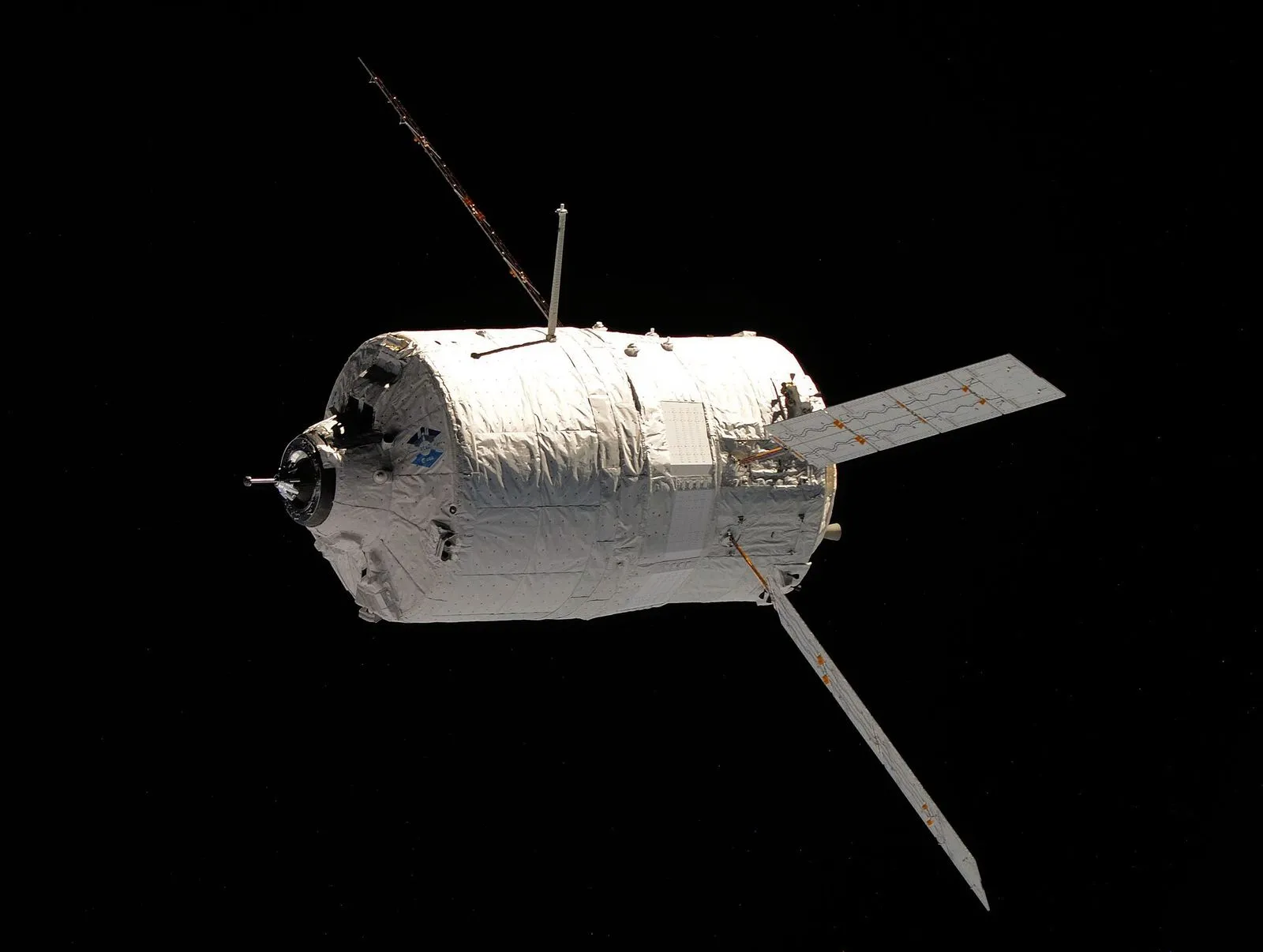
ESA · 1983–now
ESA — Europe in human spaceflight
Europe never built a crewed spaceship of its own — and became indispensable to human spaceflight anyway, by choosing partnership over independence and mastering the pieces no one else wanted to build.
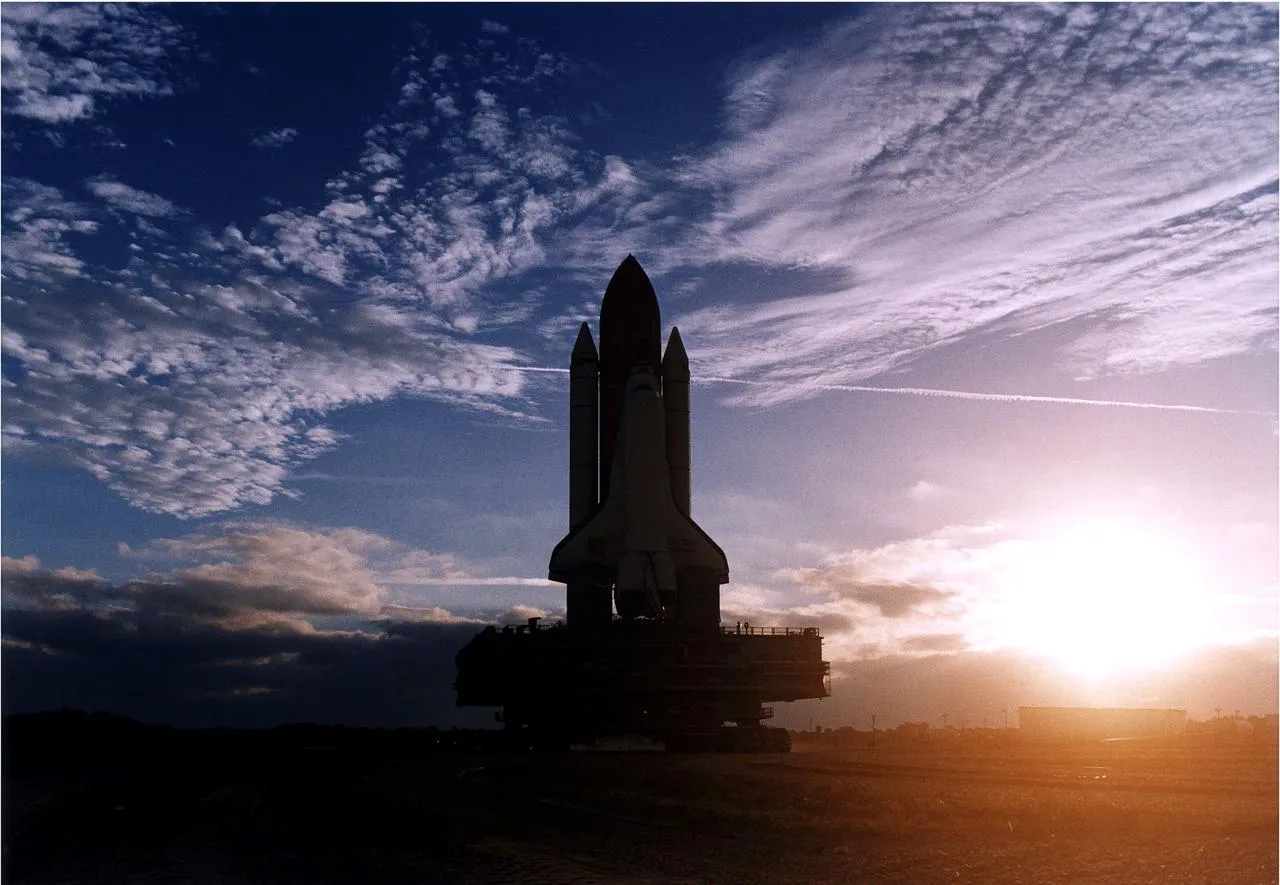
NASA · 1990–now

The Great Observatories
NASA's plan to see the whole universe — four flagship telescopes, one for each kind of light, and the lineage of great space eyes that followed.
NASA · 1996–now
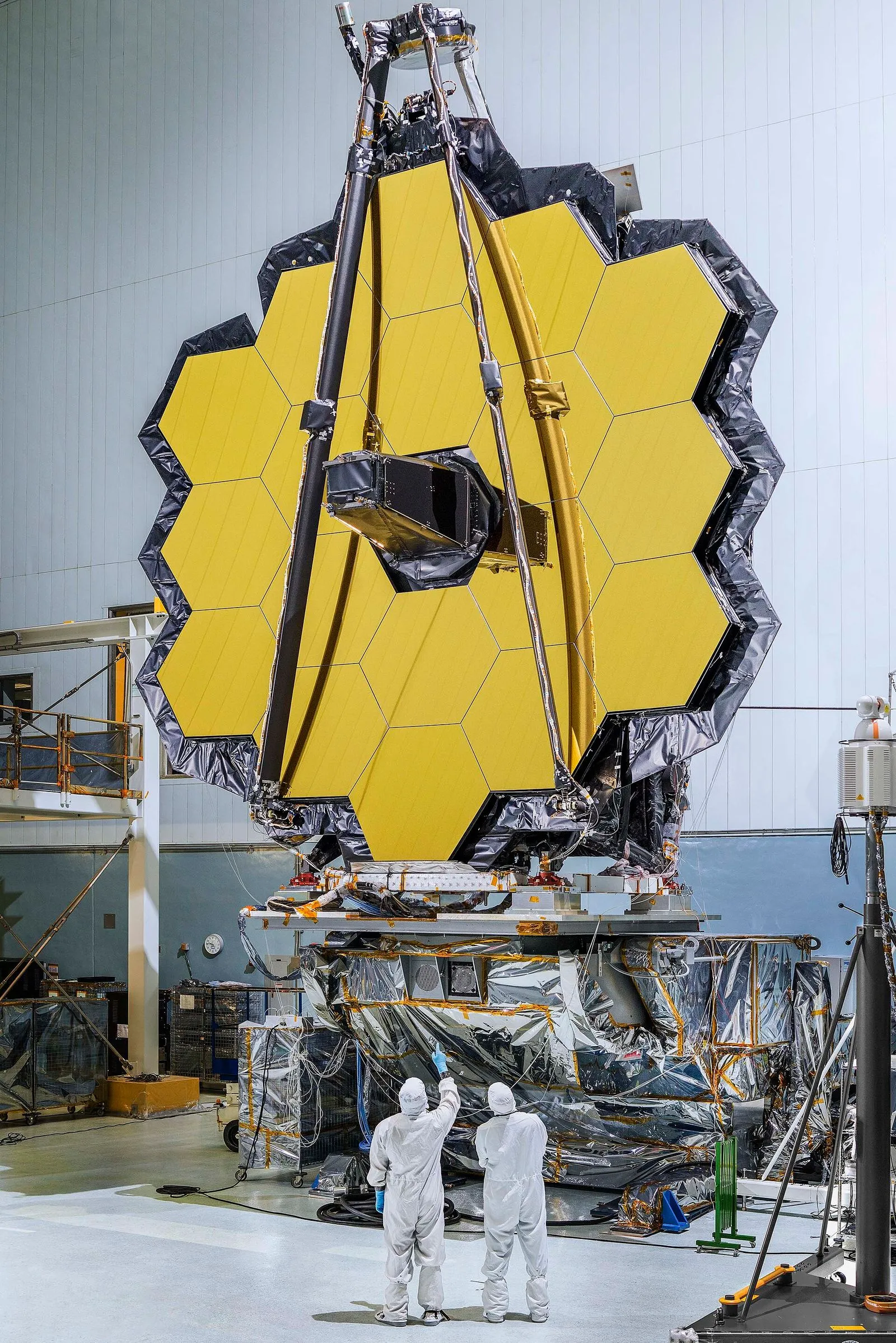
James Webb Space Telescope
The successor to Hubble — a gold mirror the size of a house, folded into a rocket, unfurled a million miles away to see the first light in the universe.
NASA · 1997–now
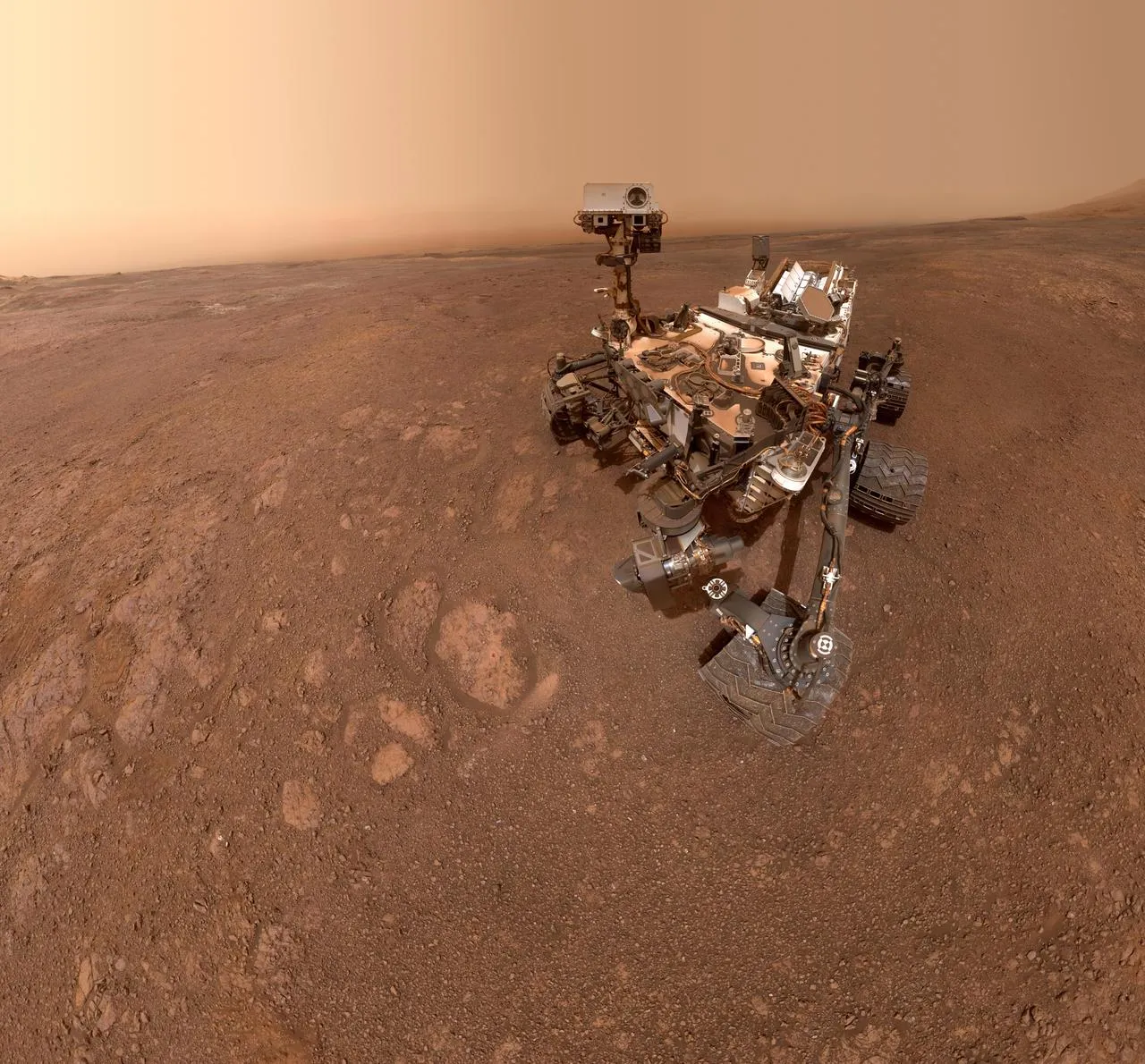
Mars Rovers
A quarter-century of American robots driving across Mars — from a microwave-sized cart that managed a few metres to a nuclear astrobiologist caching rock for the trip home.
Multi · 1998–now

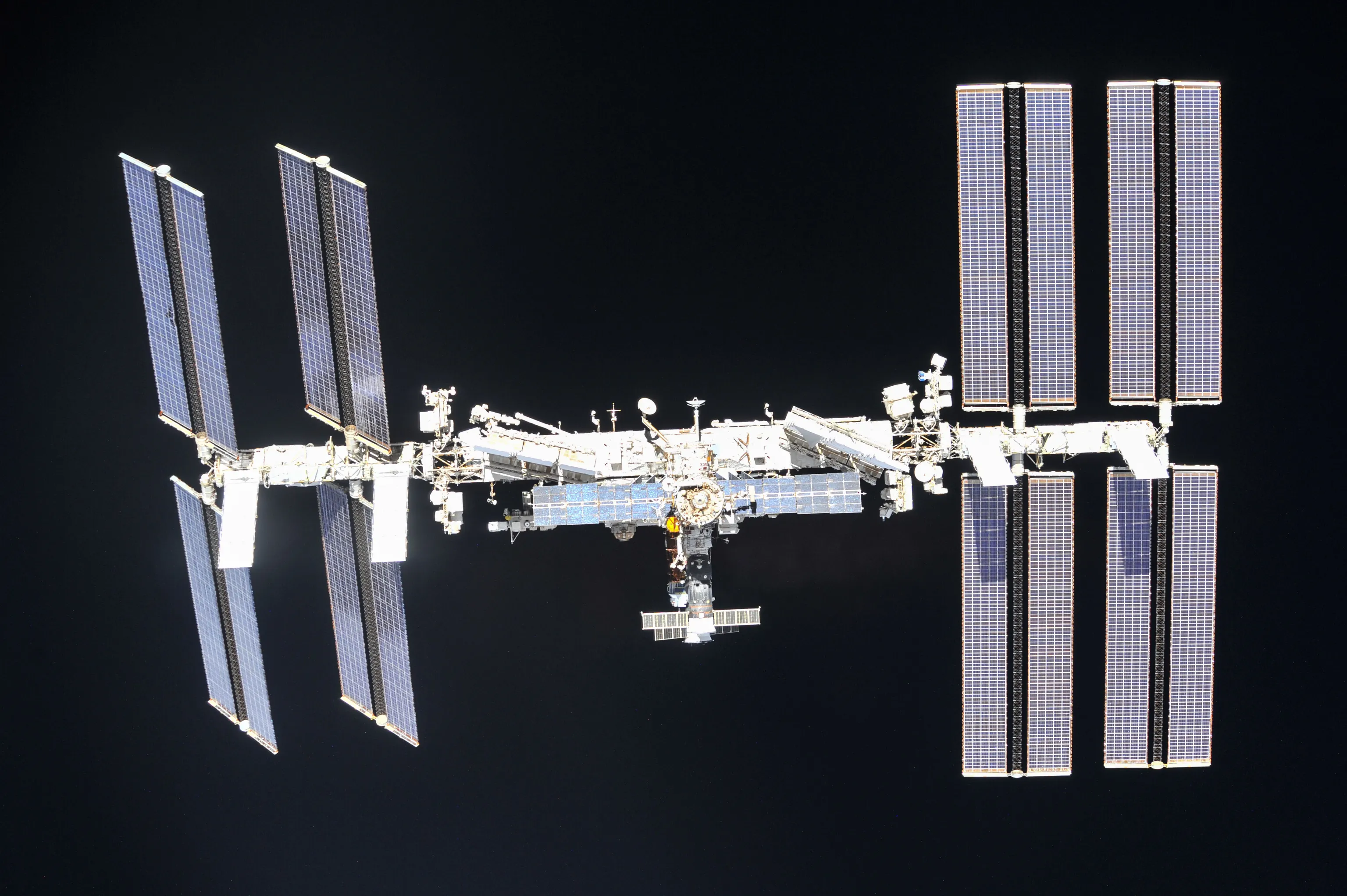
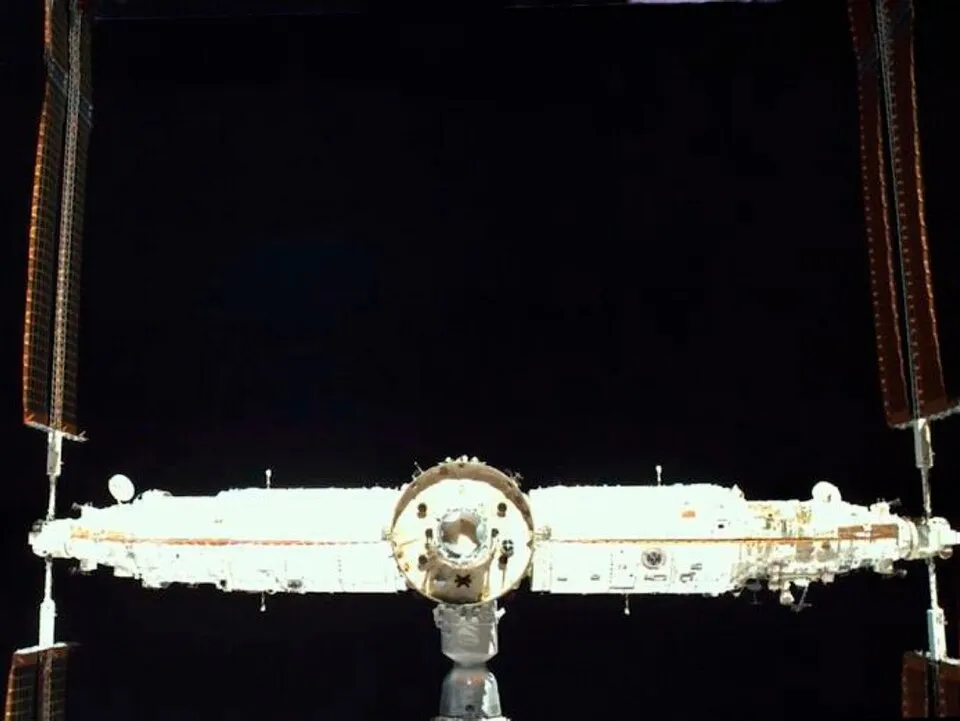
International Space Station
The largest thing humanity has ever built in space, and the place every thread of the space age converges — the former rivals' rivalry turned, after forty years, into the longest act of cooperation in the history of spaceflight.
CMSA · 1999–now

Shenzhou
The capsule that made China the third nation to launch its own people — built slowly, tested exhaustively, and never once lost a crew.
JAXA · 2003–now
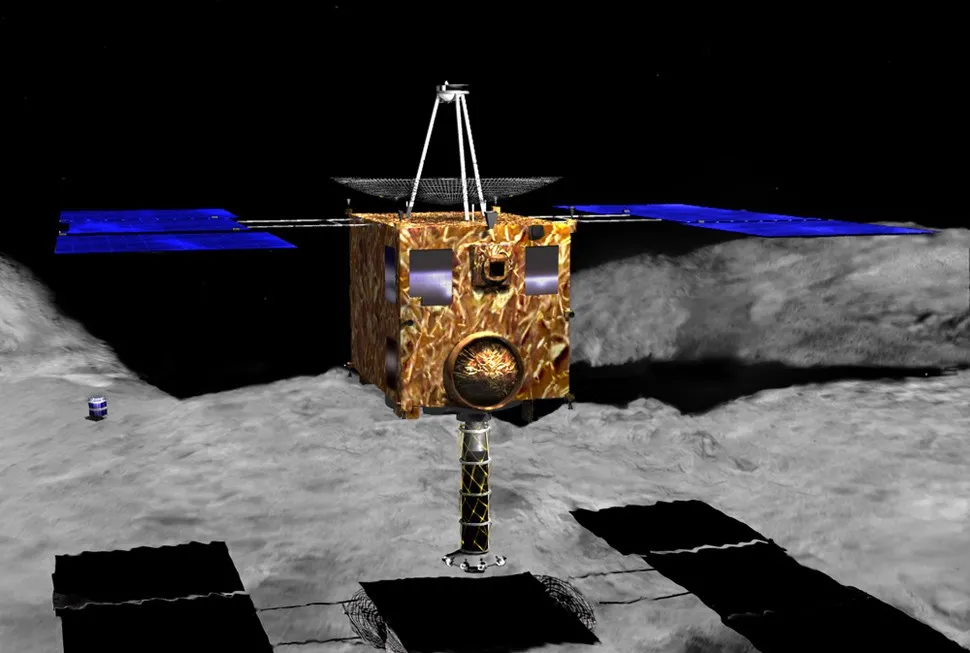
Hayabusa
Japan's asteroid sample-return campaign — a crippled probe that limped home with the first grains ever taken from an asteroid, and a sequel that did it flawlessly.
ESA · 2004–now
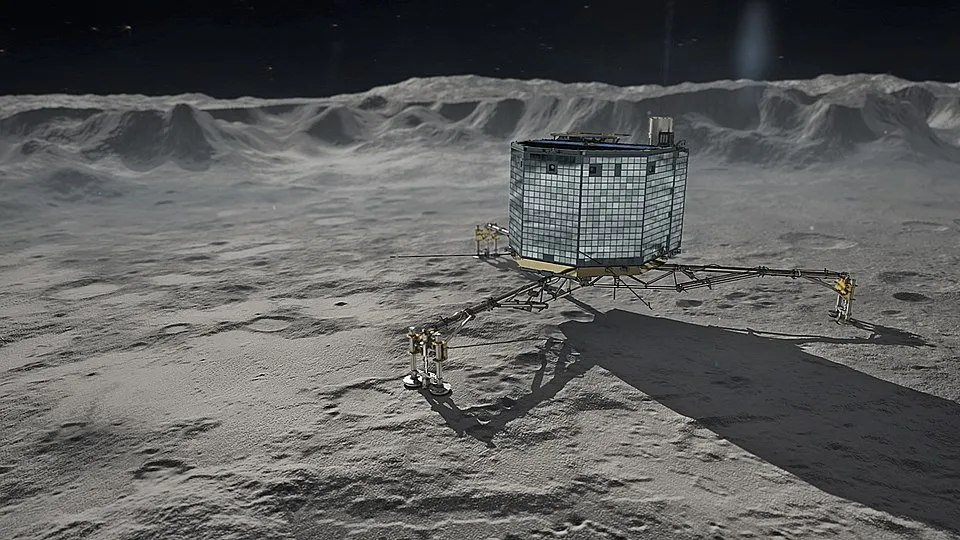
ESA — Space Science
Europe's robotic science fleet — the first spacecraft to land on a comet, the most precise map of the galaxy ever made, and a telescope hunting the dark universe.
NASA · 2006–now
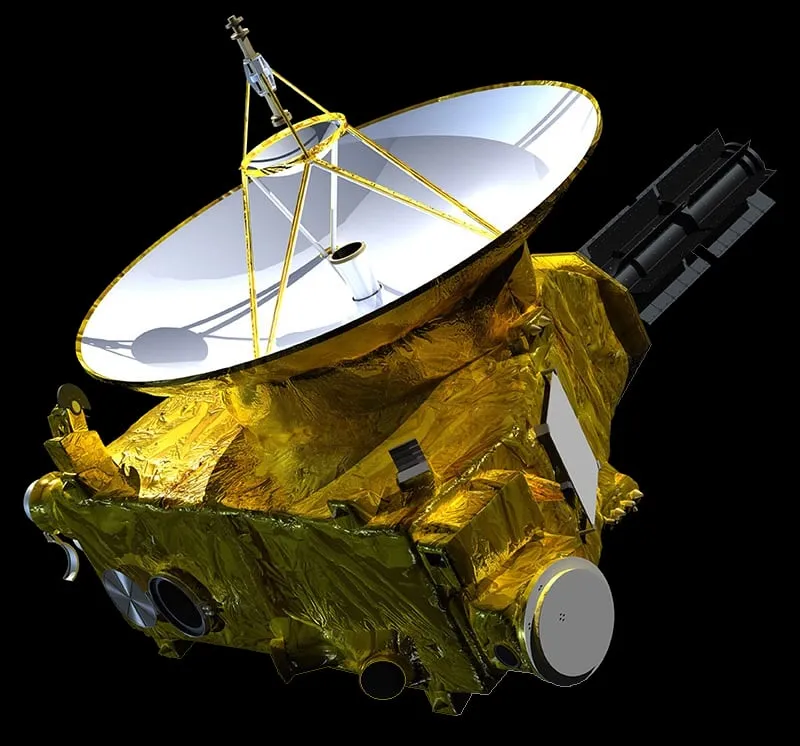
New Horizons
It took nine and a half years and the fastest launch in history to reach Pluto — and the dead ball of ice everyone expected turned out to be a young, active world.
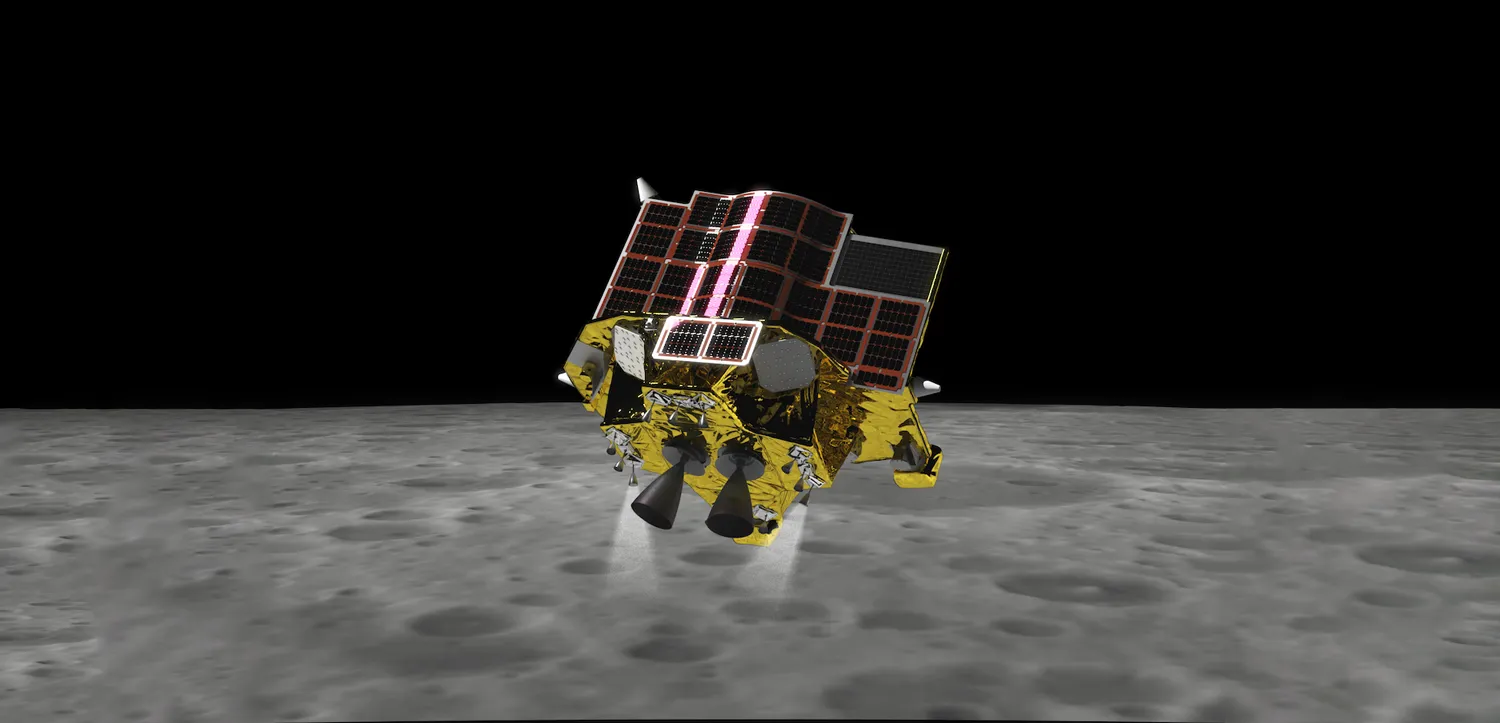
JAXA · 2007–now
JAXA — Moon and Planets
Japan's ingenious, resource-light exploration of the Moon and planets — famous for missions that fail halfway and get rescued by cleverness.
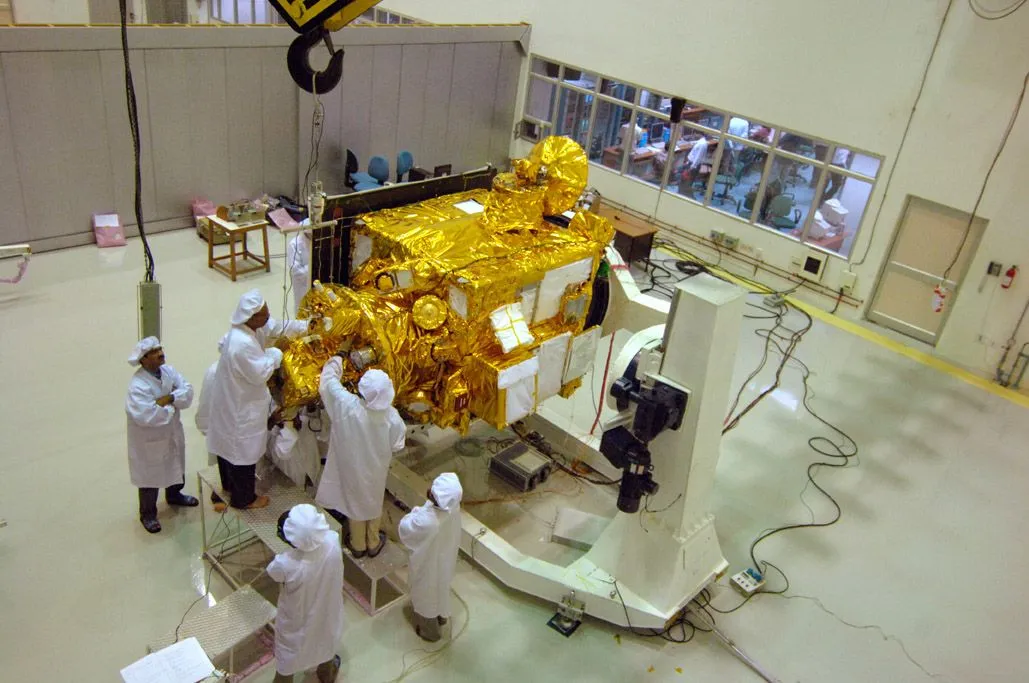
ISRO · 2008–now
Chandrayaan
India's Moon program — it found the water that changed how we see the Moon, then became the first nation ever to land near the south pole.
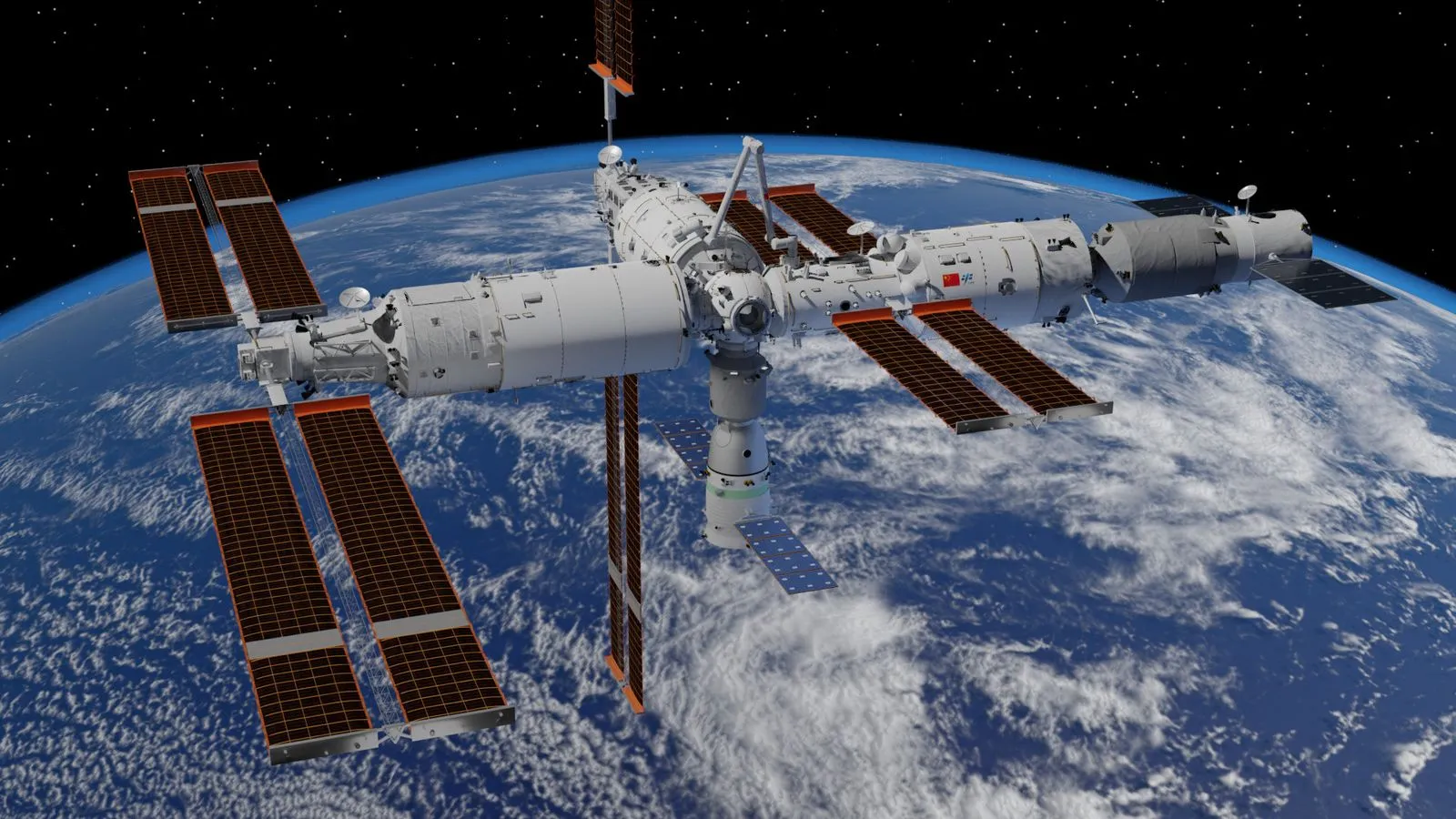
CMSA · 2011–now
Tiangong
Locked out of the world's space station, China built its own — on schedule, and now runs the only other permanently-crewed outpost in orbit.
ISRO · 2013–2022
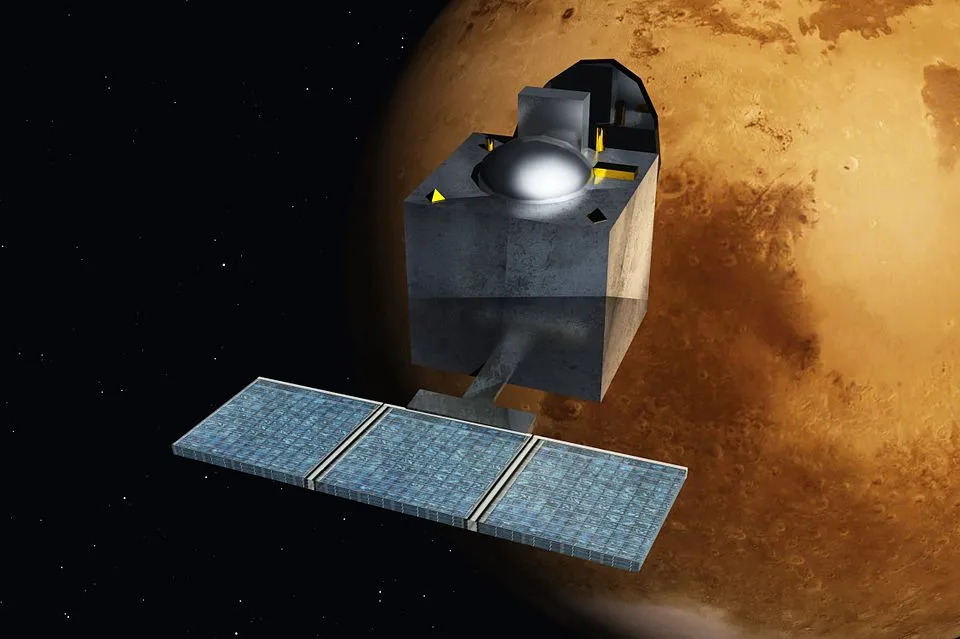
Mangalyaan
India reached Mars on its first attempt — something no nation had ever done — for less than the cost of a Hollywood movie about space.
New Space & the return to the Moon · 2020+
SpaceX · 2002–now

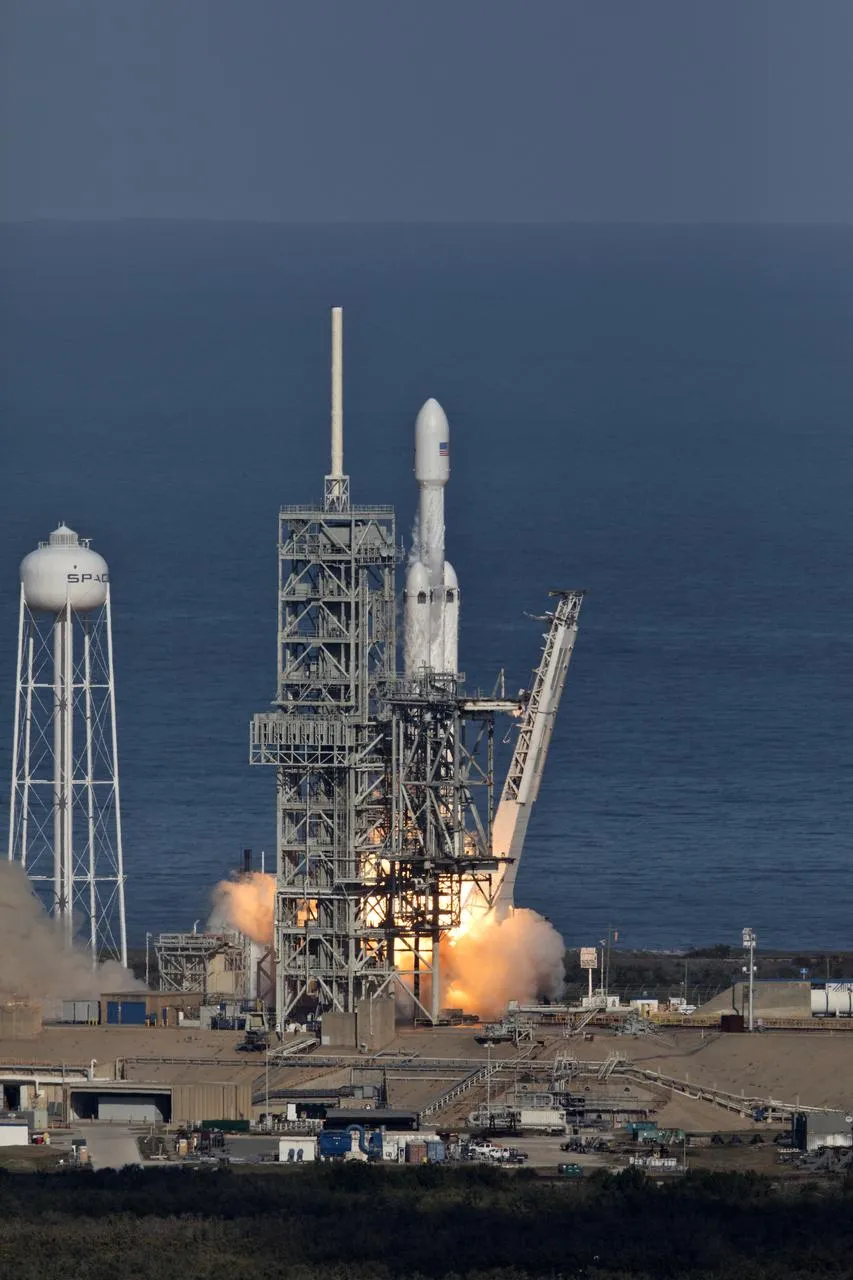
SpaceX — Falcon & Dragon
A startup that nearly went broke made rockets reusable, cut the price of orbit, and gave the United States back its own ride to space.
CNSA · 2007–now
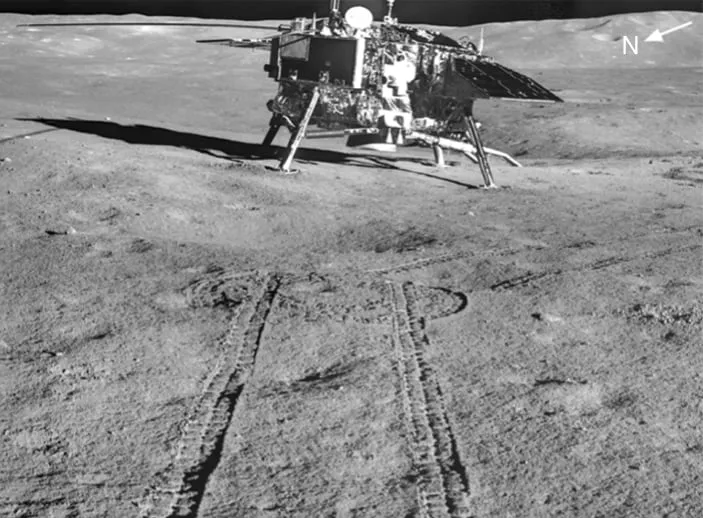
Chang'e — China's Moon Program
The methodical conquest of the Moon: orbit, land, rove, return — including the first landing ever on the far side, and the first samples from it.
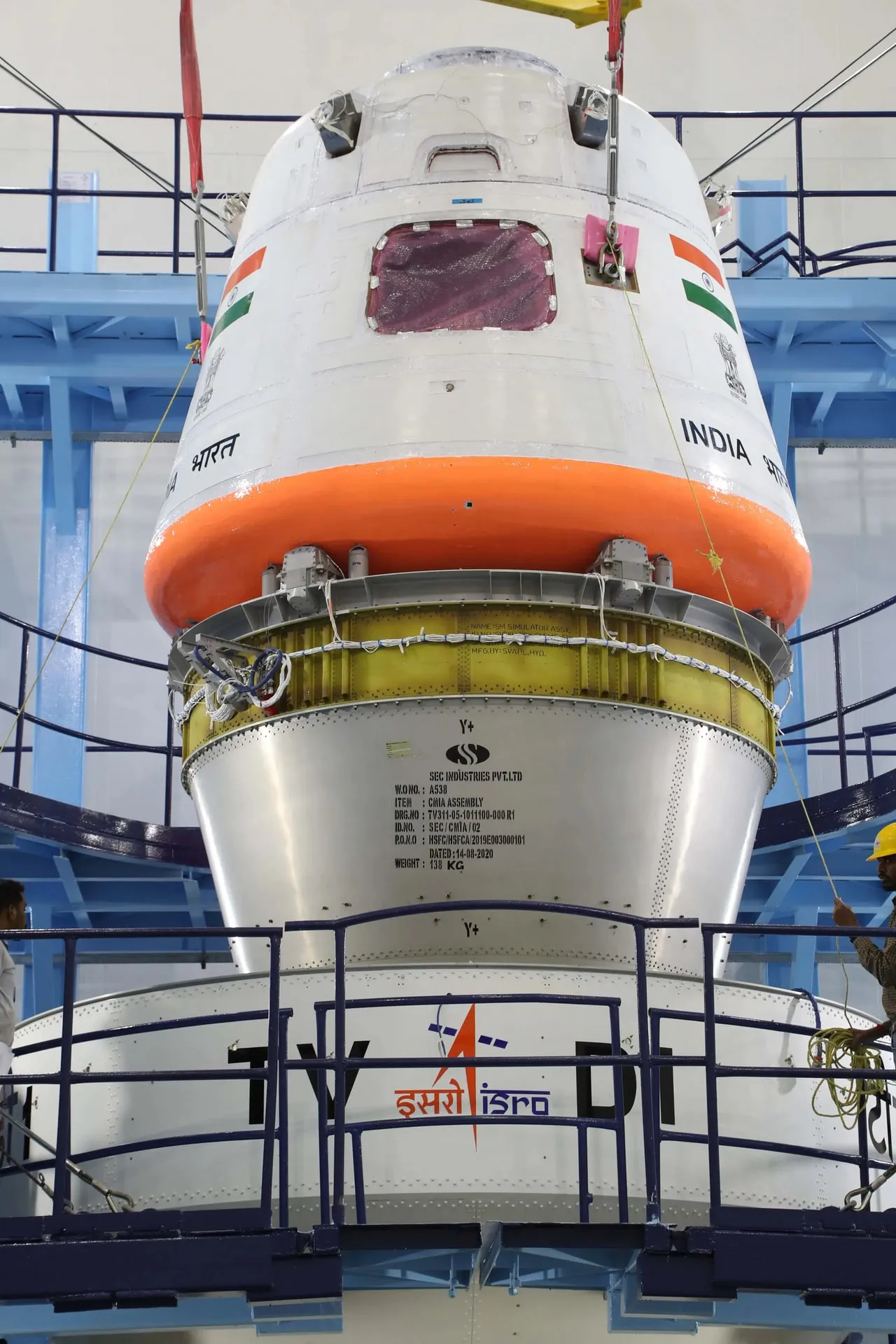
ISRO · 2018–now
Gaganyaan
India's bid to launch its own people — the crewed program that would make it the fourth nation with independent human spaceflight.
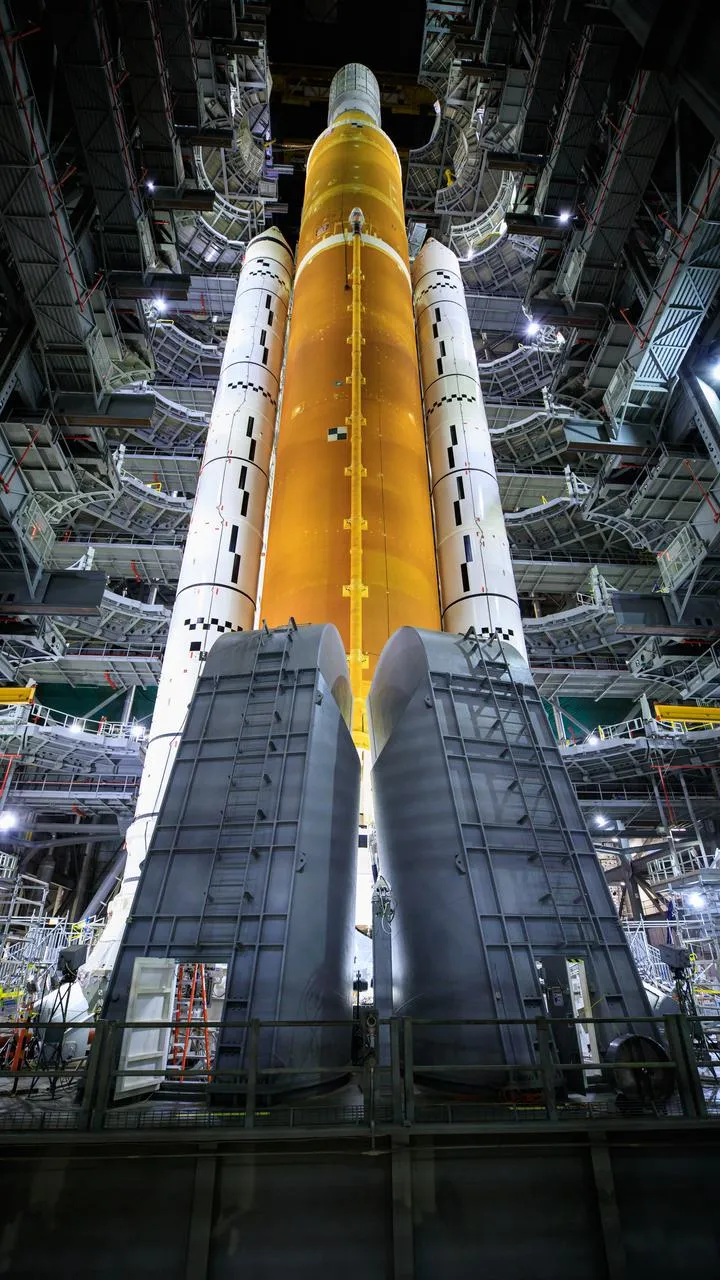
NASA · 2019–now
Artemis

The return to the Moon — this time to stay, and this time with the world, not to beat it.
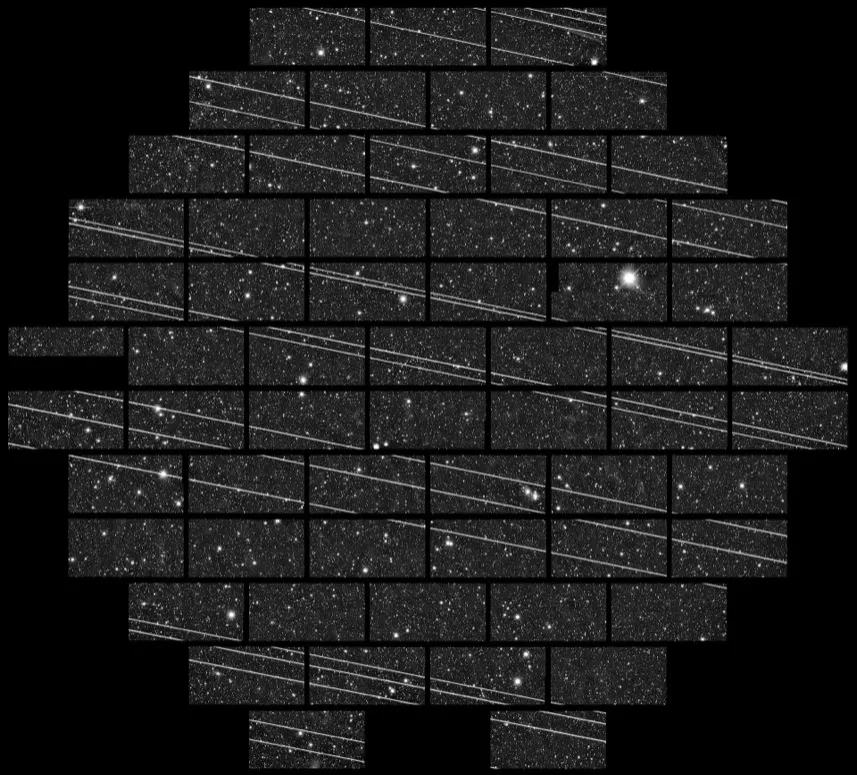
SpaceX · 2019–now
Starlink
The first megaconstellation — thousands of satellites that brought the internet to the whole planet, and remade low Earth orbit in the process.
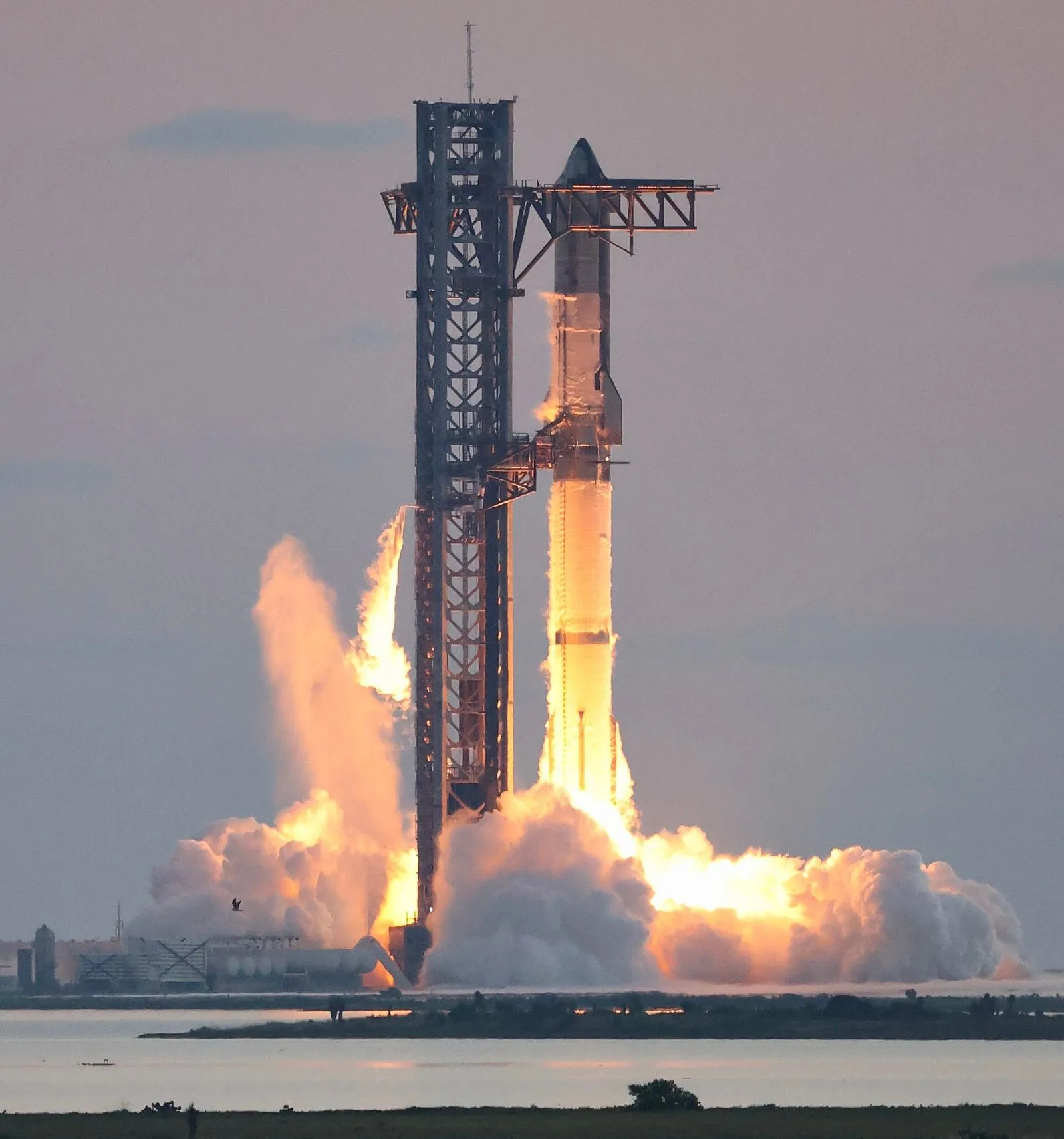
SpaceX · 2019–now
Starship
The biggest rocket ever built, designed to be fully and rapidly reusable — the vehicle SpaceX means to carry people to Mars.
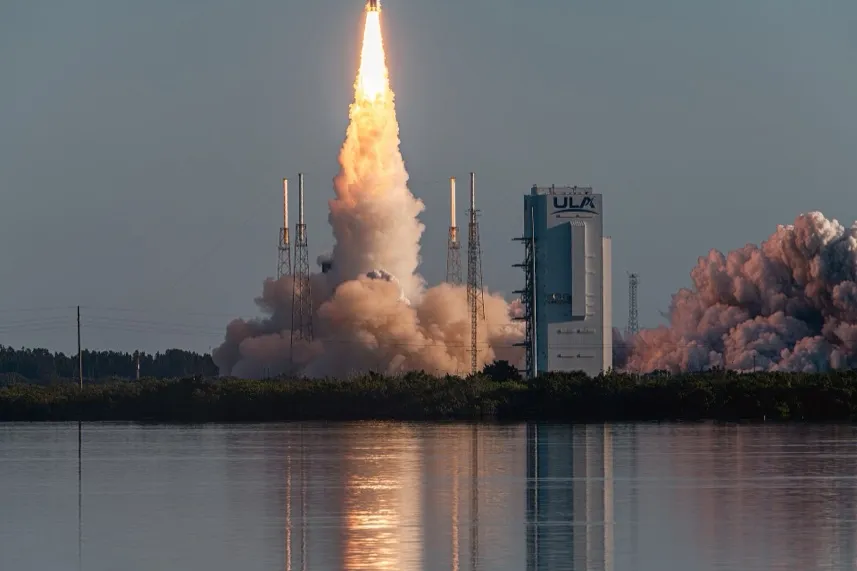
Amazon · 2023–now

Project Kuiper
Amazon's answer to Starlink — the second megaconstellation, backed by the deepest pockets in retail and a deliberate refusal to depend on a rival's rocket.
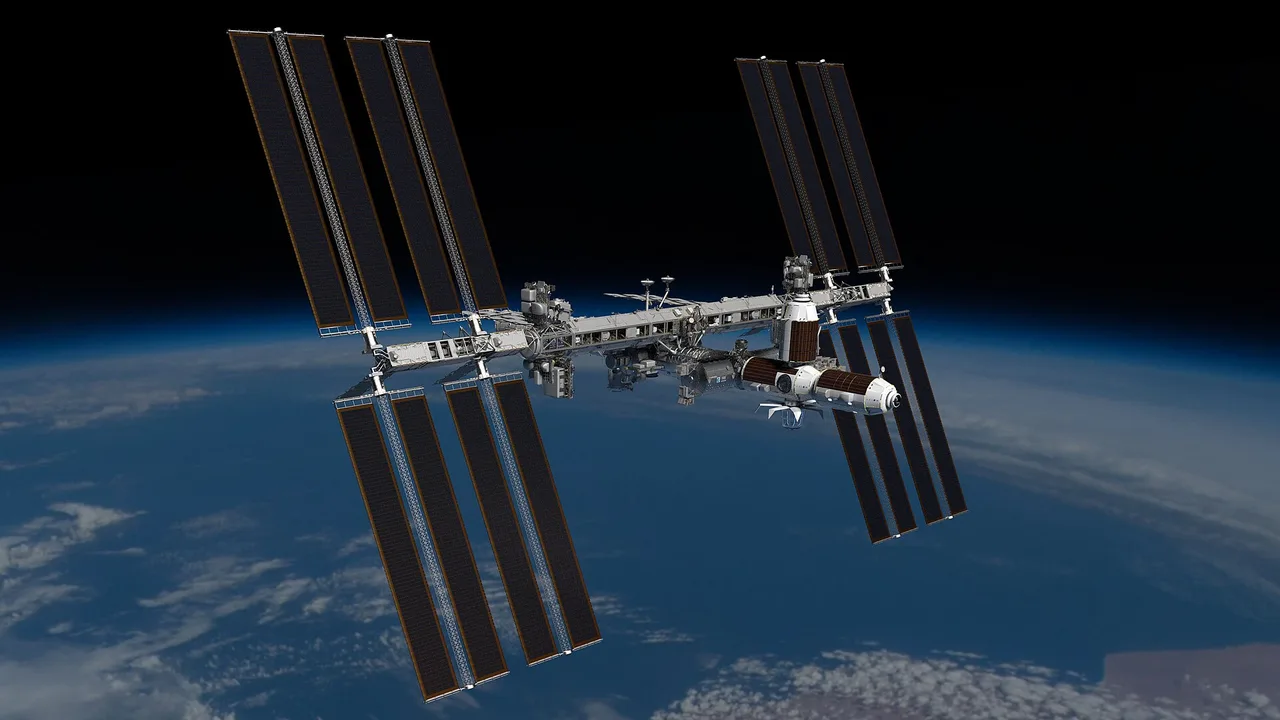
Commercial · 2025–now


Commercial Stations
The private outposts meant to replace the ISS — a bet that low Earth orbit can become a business, not just a government program.
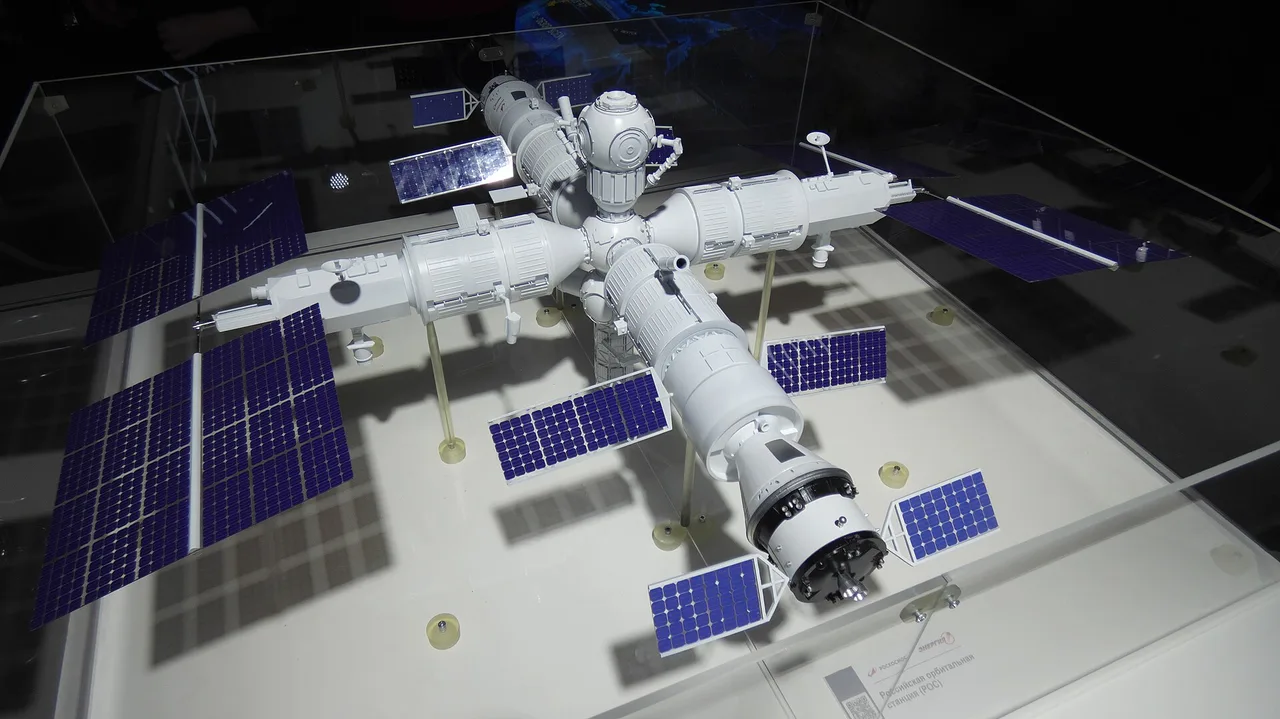
Roscosmos · 2027–now
Russian Orbital Station
Russia's planned return to a station of its own — leaving the ISS partnership to fly alone again, as it did with Salyut and Mir.