NASA · USA + partners · 2019–now





Artemis

The return to the Moon — this time to stay, and this time with the world, not to beat it.
Crewed campaign ACTIVE
The land
Twelve people walked on the Moon between 1969 and 1972, and then no one did for more than fifty years. Apollo went, planted its flags, gathered its rocks, and stopped — because it had been built to win a race, and once the race was won there was no reason to keep paying for it. Artemis is NASA's attempt to go back and, this time, not stop. Named for Apollo's twin sister, it is designed around a different premise: not a sprint to arrive, but the slow construction of a permanent human foothold at the Moon.
The other difference is who goes. Apollo was a national project, a demonstration of American superiority over the Soviet Union, flown entirely by American astronauts on American hardware. Artemis is deliberately international and deliberately commercial — Europe builds the service module that powers Orion, Japan and Canada contribute to the lunar Gateway, SpaceX and others build the landers, and the crews will include astronauts from partner nations. Where Apollo was a race, Artemis is a coalition.
Goals
The headline goal is a crewed landing near the lunar south pole — a region Apollo never visited, chosen because permanently-shadowed craters there hold water ice. Water is the prize: split into hydrogen and oxygen it becomes rocket propellant and breathable air, and a Moon that can supply its own water is a Moon you can stay on, and stage from, rather than merely visit.
The deeper goal is permanence and a stepping stone. Artemis aims to build the Gateway — a small station in lunar orbit — and eventually surface infrastructure, turning the Moon from a destination into a base. And it is explicitly framed as a rehearsal for Mars: the place to learn how to live and work on another world, close enough to Earth that mistakes are survivable, before attempting the same thing months away.
There is also a goal no one states but everyone understands: to get there before China. China has its own crewed lunar plans for around 2030, and Artemis is, among other things, a race to establish presence, partners, and norms at the lunar south pole first. The coalition framing is genuine — and it is also how the United States intends to lead the return rather than follow it.
Outcome
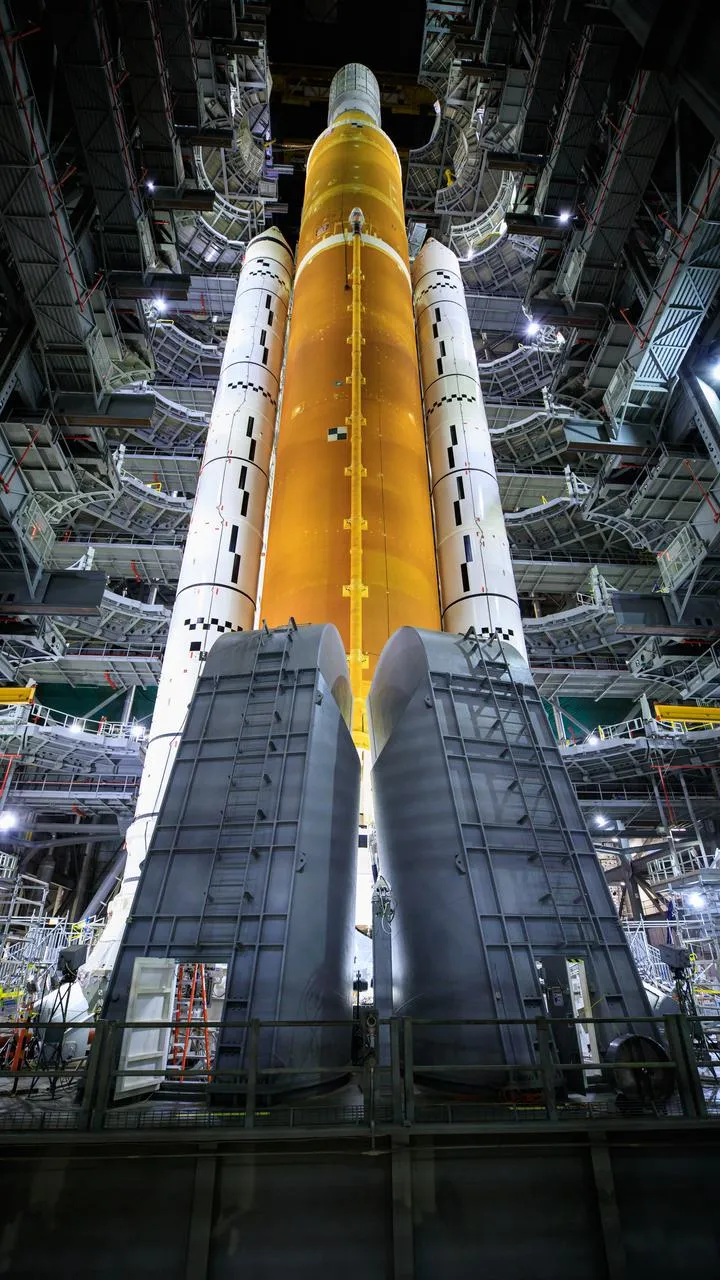
Artemis is underway but not yet at the Moon's surface. Artemis I flew in 2022 — an uncrewed Orion looped around the Moon and returned, proving the SLS rocket and the spacecraft on their first flight. The crewed flyby (Artemis II) and the landing (Artemis III) follow, though both have slipped repeatedly as the enormous, multi-contractor program works through the hardest parts: the heat shield, the Starship lander, the new spacesuits, and the orbital refuelling the lander depends on.
The program is also a study in how differently big space is done now. Apollo was a single agency directing contractors toward one deadline; Artemis is a web of international partners and commercial providers, with NASA buying a lunar lander as a service from SpaceX rather than owning it. That structure spreads cost and risk and builds a durable coalition — and it also means the schedule depends on many organizations, including a Starship that must first prove itself, so the timeline is genuinely uncertain in a way Apollo's brute-force sprint was not.
The story
Artemis is the answer to a question Apollo left hanging: what is the Moon for, if not to win a race? Apollo proved humans could go and then revealed that going, by itself, was not a reason to keep going — the political engine that funded it switched off the moment the Soviets were beaten. Artemis is built to survive that problem by having a purpose beyond arrival: water, infrastructure, a base, a path to Mars, and a coalition of partners with their own reasons to sustain it. Whether that purpose is durable enough to outlast changing administrations is the open question the whole program is really testing.
It is also a deliberate inversion of Apollo's politics. Apollo's strength was singular national will; its weakness was that the same will could evaporate. Artemis trades some of that focus for resilience — spreading the program across nations and companies so that no single budget decision can cancel it outright, and so that partners who have invested their own hardware and astronauts have reasons to keep it alive. The coalition is slower and more complex than a race, and that is the point: it is built to endure, not to sprint.
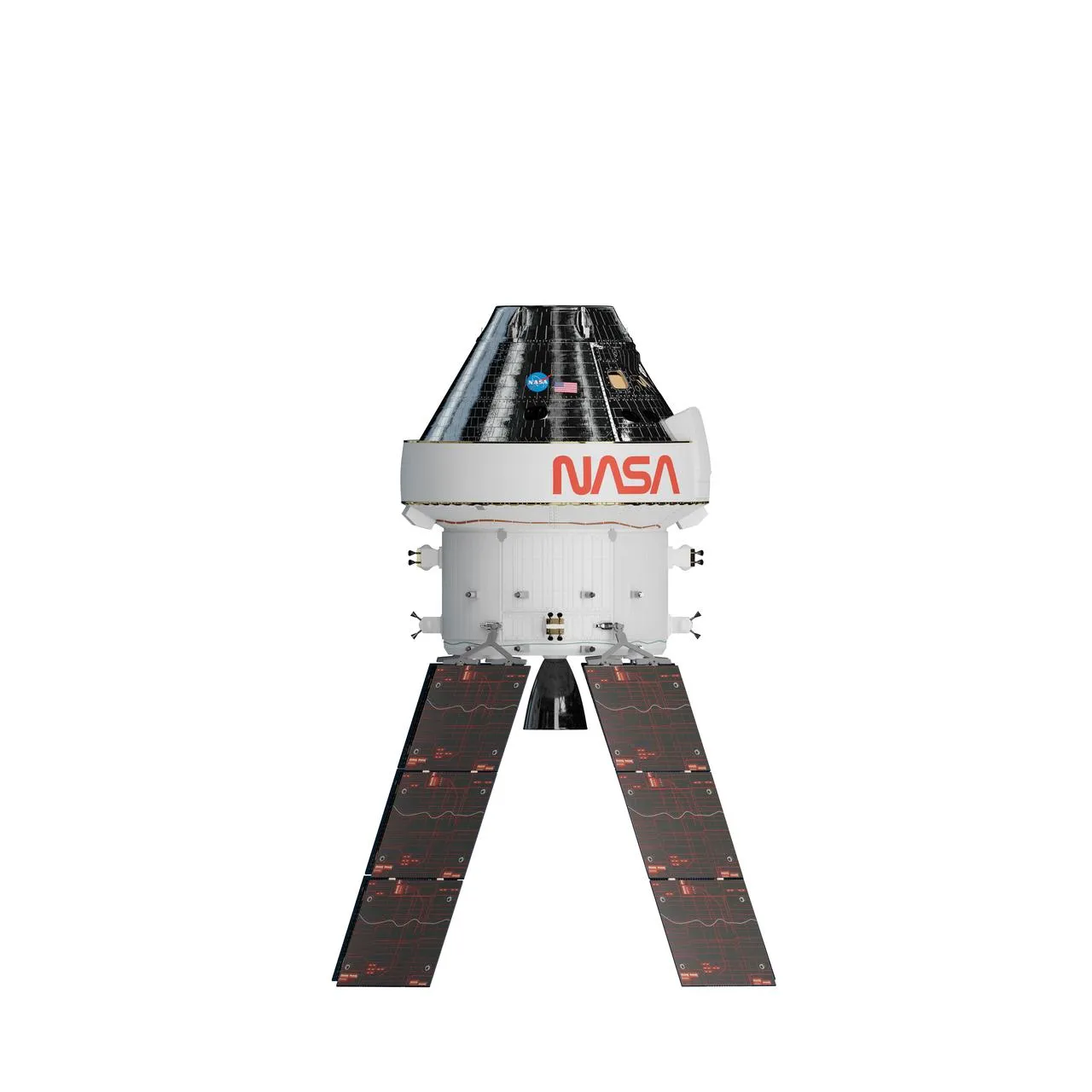
And it inherits Apollo's hardware lineage even as it breaks from its politics. The SLS rocket descends from Space Shuttle engines and boosters; Orion is the spiritual heir of the Apollo command module; the whole program carries the DNA of the programs in this atlas that came before it. Artemis is not a fresh start but a continuation — the accumulated capability of sixty years of spaceflight pointed, once more, at the Moon.
What it gave back
Artemis's legacy is still ahead of it, but its structure is already a template. By building the return to the Moon as an international coalition with commercial landers rather than a single-nation sprint, it has defined how large exploration programs are now assembled — cost and risk shared, capability bought as a service, partners bound in by their own contributions.
If it succeeds, the legacy is a permanent human presence beyond low Earth orbit for the first time — a base at the lunar south pole, a station in lunar orbit, and the operational experience of living off another world that any Mars mission will require. The Moon becomes a place people work rather than a place twelve people once visited.
And it is the frame for a new era of lunar activity. Artemis, China's parallel program, and a fleet of robotic landers from many nations are converging on the same small region of the Moon at the same time — making the 2020s the busiest decade at the Moon since Apollo, and the south pole the most contested real estate in the solar system.
What we can learn
The lesson Artemis is built on is the one Apollo taught the hard way: arriving is not a purpose. A program that exists only to reach a destination ends the moment it arrives, because the reason to fund it arrives with it. Artemis's whole design — water, infrastructure, partners, a path to Mars — is an attempt to give the Moon a reason to keep going that outlives the excitement of getting there.
The deeper lesson is about resilience versus focus. Apollo's singular national will was its power and its fragility; Artemis trades focus for a coalition that no single budget can easily kill. It is slower, more complex, and harder to schedule — and it is betting that endurance, not speed, is what a return 'to stay' actually requires. Whether that bet pays off is the story the next decade will tell.
Missions
- 2022 Artemis I an uncrewed Orion flies around the Moon on the first SLS launch — the deep-space hardware is proven before anyone rides it
- 2026
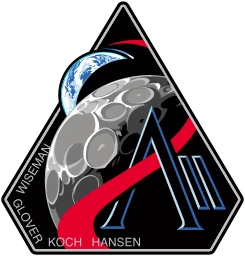 the first crew — four astronauts, including the first non-American to fly to the Moon, on a lunar flyby
 - 2027 the return to the surface — the first crewed lunar landing since 1972, and the first ever near the south pole, using a Starship lander
- 2028 the first mission to the Gateway — the small international station being assembled in lunar orbit
Hardware
- Orion crew spacecraft
- Sls Block 1 launcher
- Starship lunar lander (HLS)